
How Gen Z and Millennial Diners Are Changing Restaurant Expectations
For a couple of years the industry press has run some version of the same headline: Gen Z is drinking less, going out less, and generally spelling trouble for restaurants and bars.
The better data doesn’t back that up.
A study from Questex’s Hospitality Group with Datassential, covered by Bar & Restaurant, found that Gen Z consumers aged 21 to 28 are going out more often than older consumers and spending more when they do, including on better drinks rather than fewer of them. Analysis from Santiago & Company found that more than three in four Gen Z consumers dine in at least once a week, and 40% say they’re spending more on restaurants than a year earlier, the highest share of any generation.
The generation isn’t disappearing. It’s showing up with a different set of expectations than the one most restaurants were built around.
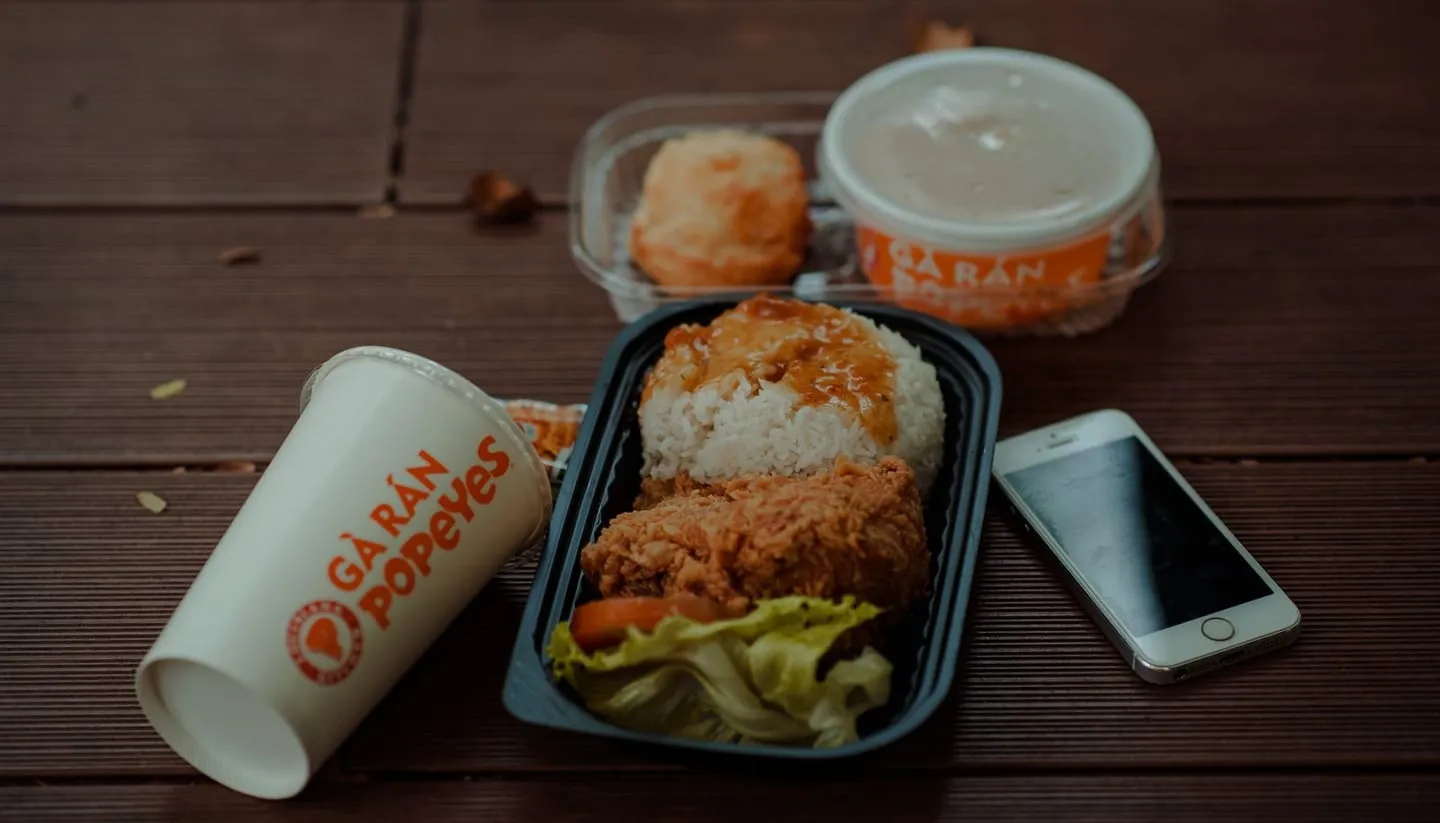
They Research Before They Ever Walk In
The biggest behavioral shift is simple: younger diners rarely walk in cold. They look you up first, check photos and prices, and often put it to a vote in a group chat before anyone commits.
And increasingly they ask a machine. Pew Research Center found that 58% of U.S. adults under 30 had used ChatGPT by early 2025, up from 33% in 2023 (Pew Research Center). For this group, “where should we eat Friday?” is as likely to go to an assistant as to a friend.
Think about what that means for your menu. If it isn’t easy to find and easy to read on a phone, something else represents you in that group chat: a guest’s blurry photo of the printed menu, taken two price increases ago, or nothing at all.
They Discover Food by Watching It
Younger diners learned about food on short video. A dish they’ve seen sizzle, stretch, or pour is a dish they already want; a dish described in a line of small print is a gamble.
That doesn’t mean every restaurant needs a content strategy. It means the moment that matters, a guest with your menu open and nothing ordered yet, is a moment where motion beats text.
This is where MenuOnGo is built to help. On Pro, a dish can carry a few seconds of video right on the menu, and a limited-time offer can run as a video campaign you set up in the morning and pull whenever you like. The same menu link sits on your Google Search and Maps listing on every plan, so the version that lands in the group chat is the current one with today’s prices. You can try every Pro feature free for 30 days, no card needed, and see whether a short clip of your best plate changes what tables order.

Value Doesn’t Mean Cheap to Them
Younger diners aren’t retreating from spending. What they resist is feeling ripped off. There’s a difference between a $19 sandwich that’s clearly worth $19 and one that isn’t, and this group will research that difference before paying.
Santiago & Company’s read is that Gen Z increasingly treats full-service dining as a social occasion rather than just a meal, which the firm frames as a growth opportunity most limited-service operators aren’t set up to capture. The value equation includes the room, the drinks, the photo they’ll take, and whether the night felt like an event.
They Want the Table, Not Just the Takeout Bag
This contradicts the other big Gen Z narrative. Yes, younger diners lead off-premise growth; the National Restaurant Association confirms Gen Z and millennials drive the industry’s takeout and delivery numbers. But they also show up in person more than you’d expect.
Both are true because they treat these as two products: delivery is fuel, dining out is a social event. Restaurants that treat dine-in as an afterthought while chasing app orders are misreading the room.
They Like Paper More Than You’d Think
Here’s the counterpoint that surprises people. You’d assume the phone-first generation would love QR code menus. Technomic’s May 2022 consumer survey, reported by Restaurant Business, found 86% of Gen Z respondents preferred a paper menu at a sit-down restaurant, barely below the 88% of all diners. The data is a few years old, but the point stands: younger diners judge a QR menu by how it works, not by how modern it sounds.
A slow PDF that needs pinch-and-zoom fails them as badly as it fails their parents. A menu built like a good mobile page, fast, readable, with real photos, is a different experience. Keeping a few paper menus around costs little and removes the friction for anyone who’d rather not scan.
Curiosity Is Part of the Deal
YouGov found that 73% of Gen Z consumers say they like trying new cuisines. That’s a gift for independent restaurants with a point of view, but it only converts if the food is legible before someone orders: honest photos, clear descriptions, ingredient info. Curiosity dies fast when a guest can’t tell what “nduja” is.

The Honest Caveat
None of this means every restaurant should chase a younger crowd. A neighborhood spot whose regulars are 55+ shouldn’t blow up what’s working to court a demographic that isn’t walking past. Generational data describes averages, not the people at your door.
Some Gen Z research is also genuinely contested; studies disagree on drinking and spending depending on age brackets, income mix, and timing. The safe read is directional: this group researches heavily, values transparency, and treats going out as an occasion. How much of your business that is, only your own sales data can tell you.
Generational Expectations at a Glance
| Expectation | Gen Z / Millennials | Older Generations |
|---|---|---|
| Research before visiting | Near-universal; often via group chat or AI assistant | More reliant on habit and word of mouth |
| How they discover dishes | Short video, photos | Recommendations, reputation |
| Menu access | Expect full menu and prices online first | Comfortable seeing it on arrival |
| Dining occasion | Social event; shared plates, longer visits | Meal-focused |
| Response to price | Will pay more if the value is visible | More sensitive to the headline price |
| Cuisine curiosity | High | More cautious |
Frequently Asked Questions
Is Gen Z really spending less at restaurants? The better data suggests not. Research from Questex and Datassential found Gen Z adults going out more often and spending more per visit than older groups, and Santiago & Company found 40% of Gen Z saying they spend more on restaurants than a year earlier.
Do Gen Z diners prefer QR code menus? Not necessarily. A 2022 Technomic survey found 86% of Gen Z respondents preferred paper menus at sit-down restaurants, close to the overall figure. Younger diners judge a digital menu by speed and readability, not novelty.
How do younger diners find restaurants? Mostly by researching on their phones before they go, checking photos, prices, and menus, often deciding as a group. A growing share also ask AI assistants; Pew found 58% of adults under 30 had used ChatGPT by early 2025.
Does video on a menu matter to Gen Z? It suits how they discover food. A short clip of the real dish shows texture and portion in a way a line of text can’t, which helps a curious diner commit to something unfamiliar.
Should every restaurant change its approach for Gen Z? No. Generational data reflects broad averages. A restaurant with an established older customer base may do better serving that audience well than chasing a demographic that isn’t in its neighborhood.
Sources: Bar & Restaurant (Questex / Datassential), Santiago & Company, Pew Research Center, National Restaurant Association, Technomic (via Restaurant Business), YouGov. Images: Pexels (free to use). Data current as of October 2026.
Read it on your break. Your menu keeps working.
Thirty days of every Pro feature, menu import included, and nothing to pay.