
Off-Premise Dining Growth: What It Actually Means for Restaurants in 2026
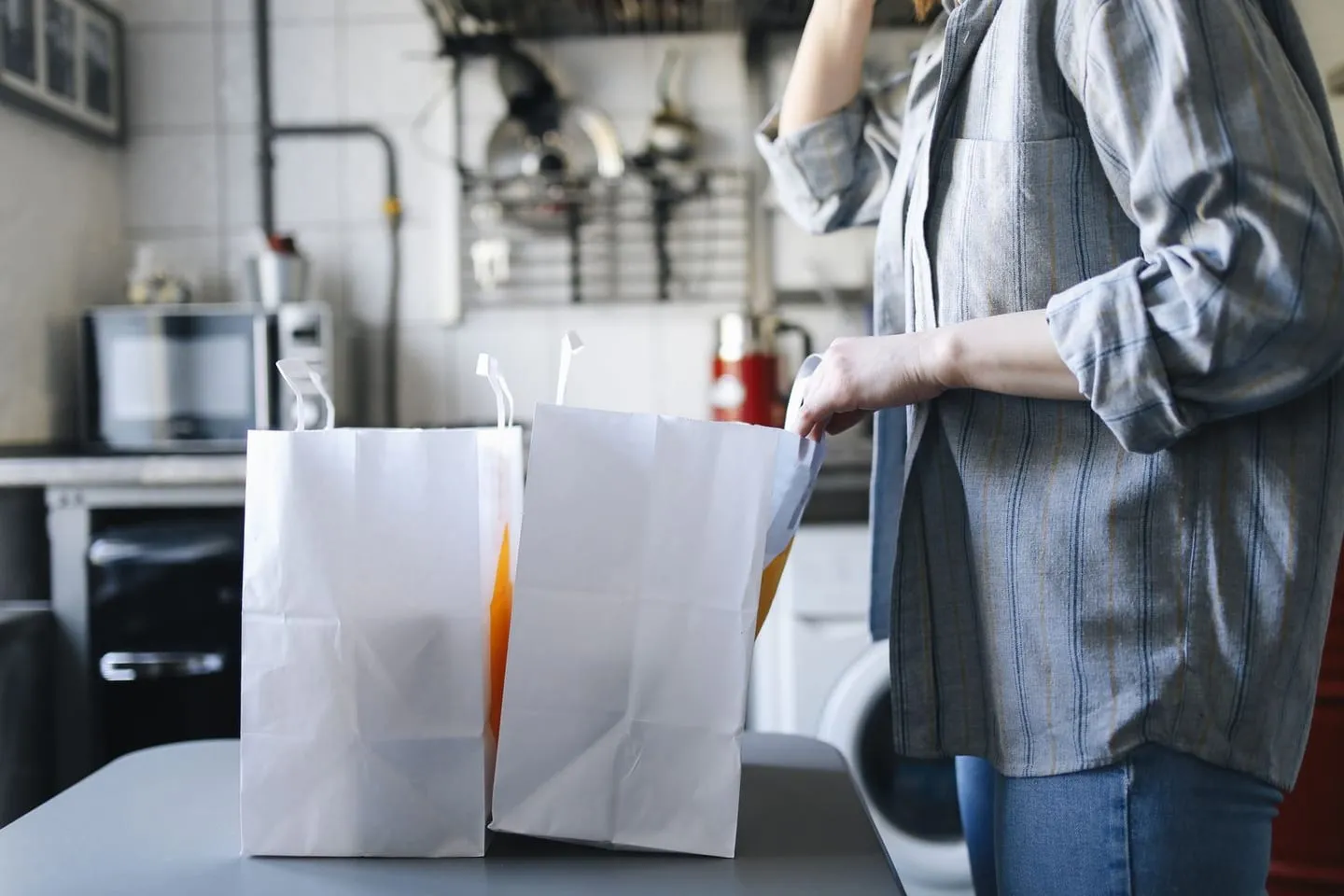
Walk into most American restaurants at 6:30 on a weeknight and you’ll see two businesses running at once. There’s the dining room, which is what the place was designed for. And there’s the pickup shelf by the door, quietly moving a volume of food that would have seemed absurd fifteen years ago.
That second business got bigger than most owners planned for. According to the National Restaurant Association, nearly 75% of all restaurant traffic now happens off-premises: takeout, drive-thru, and delivery combined.
The interesting question isn’t whether it’s happening. It’s what it does to a restaurant’s economics, and to the job your menu has to do.
Who’s Driving It, and It Isn’t Just Fast Food
Off-premise now makes up a larger share of sales than in 2019 for 58% of limited-service operators and 41% of full-service operators, per the same NRA data. Full-service restaurants, built entirely around people sitting down, absorbed a bigger structural change than they get credit for.
The NRA’s 2026 State of the Restaurant Industry report notes that Gen Z and millennials continue to lead off-premise growth, with roughly two-thirds of younger consumers describing takeout as essential to their lifestyle.
Off-Premise Isn’t Free Money
Here’s where a lot of restaurants got burned. Volume went up. Profit didn’t follow.
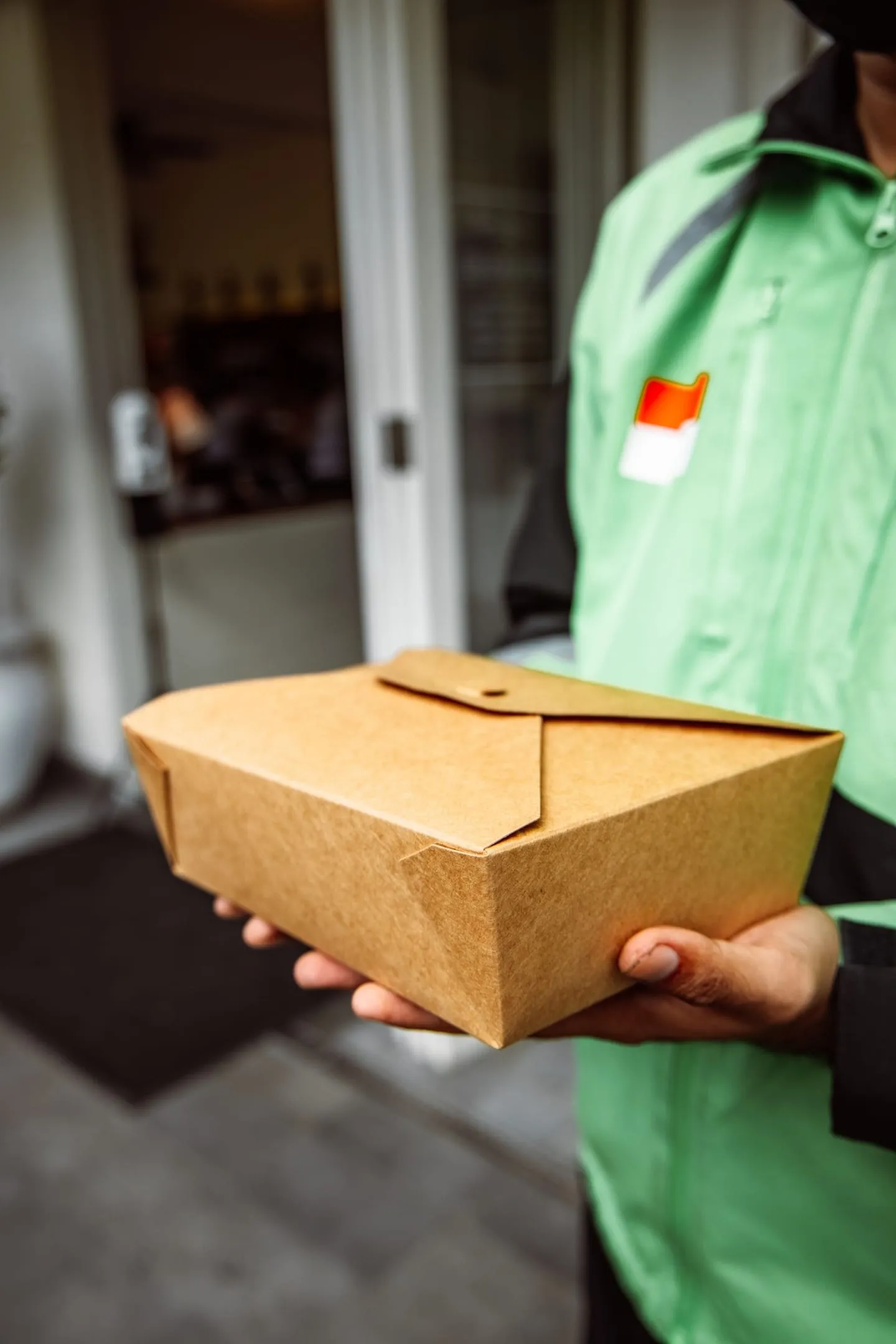
Third-party delivery stacks costs on both sides of the order: commissions and fees for the restaurant, service fees, delivery fees, and menu markups for the guest. The guest pays noticeably more than they would for pickup, and very little of that extra reaches you.
Meanwhile the kitchen does more work per dollar: packaging, bagging, staging, a late driver, a complaint about cold fries. And there’s a cost owners underestimate: with third-party orders, you often don’t own the customer relationship. The platform has the contact details and order history, and the next time that guest opens the app, it can show them somewhere else.
None of that means turning off delivery. It means running it deliberately, knowing what each channel actually earns you, and making your own pickup path easy enough that regulars use it.
Packaging Became Part of the Product
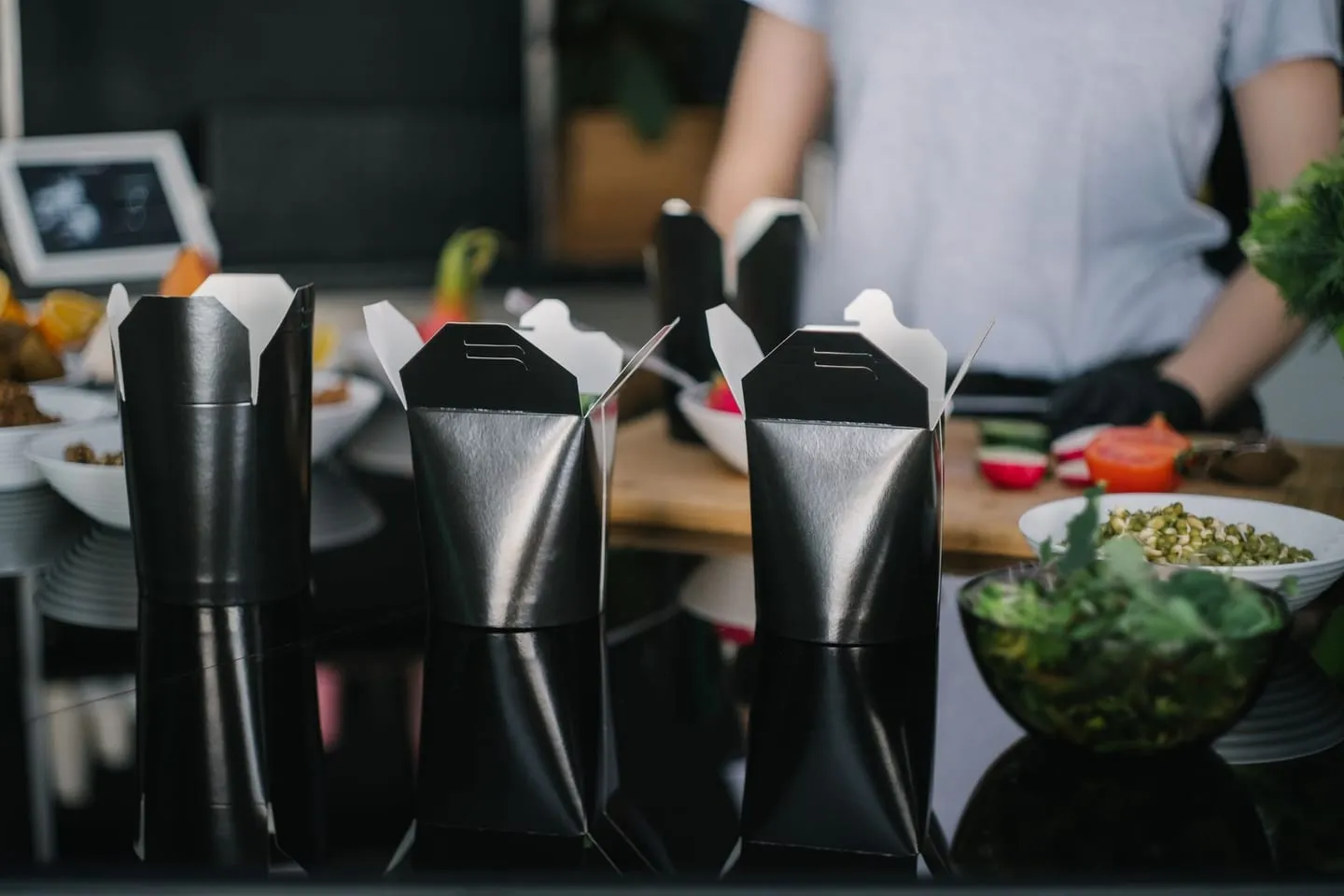
In the dining room you control the plate, the temperature, and the timing. In a takeout bag you control none of it once the door closes.
The NRA’s off-premise research found 90% of consumers would order a greater variety of items if food held its in-restaurant quality, and more than half said they’d pay extra for packaging that protected it. That’s rare in this industry: guests volunteering to spend more, with a container in the way. Figure out which dishes travel, and quietly keep the ones that don’t off the to-go menu.
Your Menu Is Doing a Different Job Now
When someone eats in, the menu is one of many things selling your restaurant: the smell from the kitchen, the room, the server’s recommendation, the plate landing at the next table.
When someone orders to go, all of that disappears. The menu isn’t part of the experience anymore. For that guest, the menu is the restaurant. That’s a heavy load for a blurry PDF.
If a growing share of your business is people deciding about your food on a phone with zero atmosphere to help, the menu stops being a design detail and becomes your storefront. It needs to show the food honestly, read quickly, and point people to the way you’d like them to order.
That’s where MenuOnGo fits. MenuOnGo doesn’t take orders or payments, by design; it makes the menu itself good. On Pro, a few seconds of video on a dish does the selling your dining room would have done, the steam, the crunch, the portion, for a guest who’s never been inside. And on every plan, the menu can carry your phone number and links to the delivery platforms you use, so a guest who browses your menu from Google can go straight to the way you’d like them to order. Try every Pro feature free for 30 days, no card.
The Counter-Trend Worth Noticing
Even as off-premise grows, operators are working to pull people back into the dining room. Reporting on the NRA’s 2026 findings, Franchise Times noted that 85% of full-service operators and 65% of limited-service operators say building on-premises sales is important to their success in 2026.
That’s not a rejection of off-premise. It’s recognition that a dine-in guest is usually a higher-margin guest: no commission, no packaging, likely to order a drink and maybe dessert. The smart strategy isn’t picking a side. It’s running both channels on purpose instead of letting one happen to you.
Off-Premise Channels at a Glance
| Channel | Margin Impact | Who Owns the Guest Relationship | Biggest Risk |
|---|---|---|---|
| Dine-in | Highest: no commission, add-on sales | You | Traffic softness |
| Direct pickup / takeout | Strong: minimal fees | You | Guests not knowing it’s an option |
| Your own delivery | Moderate: you carry logistics | You | Operational complexity |
| Third-party delivery | Lowest: commissions and markups | Mostly the platform | Margin erosion, quality complaints |
Frequently Asked Questions
What percentage of restaurant traffic is off-premise in 2026? Nearly 75% of restaurant traffic now happens off-premises, meaning takeout, drive-thru, or delivery, according to the National Restaurant Association.
Is off-premise dining profitable for restaurants? It depends on the channel. Direct takeout is usually reasonably profitable, while third-party delivery tends to erode margin the most because commissions and fees take a significant share of each order.
Why do restaurants prefer direct orders over delivery apps? Two reasons: commissions cut into thin margins, and on third-party orders the platform usually holds the customer relationship and data, not the restaurant.
Does packaging really affect off-premise sales? Yes. NRA research found 90% of consumers would order a wider variety of items if food kept its in-restaurant quality, and over half would pay more for packaging that protected it.
Should full-service restaurants focus on off-premise or dine-in in 2026? Both, deliberately. 85% of full-service operators say building on-premises sales is important this year because dine-in guests carry higher margins, but off-premise is too large to treat as an afterthought.
Sources: National Restaurant Association, Franchise Times. Images: Pexels (free to use). Data current as of October 2026.
Read it on your break. Your menu keeps working.
Thirty days of every Pro feature, menu import included, and nothing to pay.