
What Diners Really Want From a Restaurant Menu in 2026
Most owners think of the menu as something that happens at the table. Not anymore. By the time a guest sits down, a lot of the deciding is already done: they looked you up, checked prices, maybe argued about it in a group chat.
Your menu isn’t a document you hand someone after they arrive. It’s a sales pitch running around the clock, mostly on a phone screen, mostly where you can’t see it.
So what actually moves a guest once they’re looking at it?
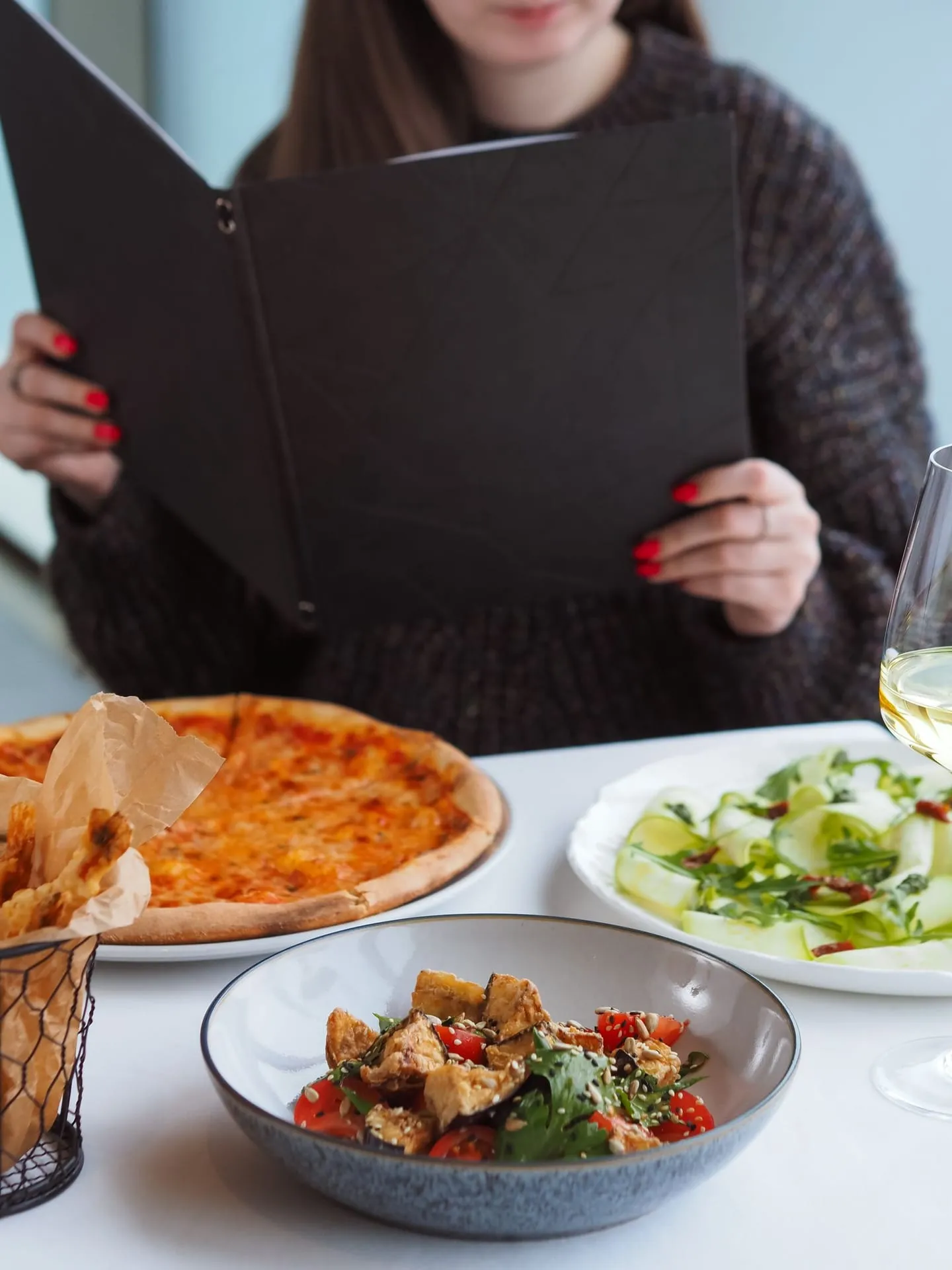
They Want to Know What They’re Getting
The single most common reason a guest hesitates is uncertainty. Not price, not mood: they don’t know what the dish actually is.
That’s why photos and descriptions do so much work. A photo answers “is this the thing I want?” in half a second and works in every language and at every reading level. A guest who can’t parse “romesco” can still tell whether the plate looks good. Research from Ohio State University even found that brighter, more saturated food photos made dishes look fresher and raised willingness to order (more in our menu photo and video guide).
Descriptions do the rest, when they’re concrete: ingredients, technique, origin. “Slow-roasted pork shoulder, apple cider glaze, pickled onion” sells. “A journey through the heart of the harvest” doesn’t. There’s real research on which words work, and some famous research you should be careful with; we cover both in menu descriptions that sell.
Price Clarity Is Non-Negotiable in a Value Year
McKinsey’s analysis of U.S. restaurant consumers found value and price at the front of restaurant decisions heading into 2026, with diners reevaluating the worth of each visit. Guests want to see prices easily, trust that they’re current, and never be surprised by the check.
Menu psychology plays in here, gently. A well-known Cornell University study of 201 diners found guests spent about $5.55 more, roughly 8%, when prices appeared as plain numbers without dollar signs. The researchers’ explanation: the dollar sign reminds people money is leaving their pocket.
Use it, but honestly: the same team found party size and how long people stayed mattered far more than typography. Dropping dollar signs is a small tweak, not a strategy. And nothing undoes clever formatting faster than a guest discovering the price on the menu they checked last week isn’t the price on the check.
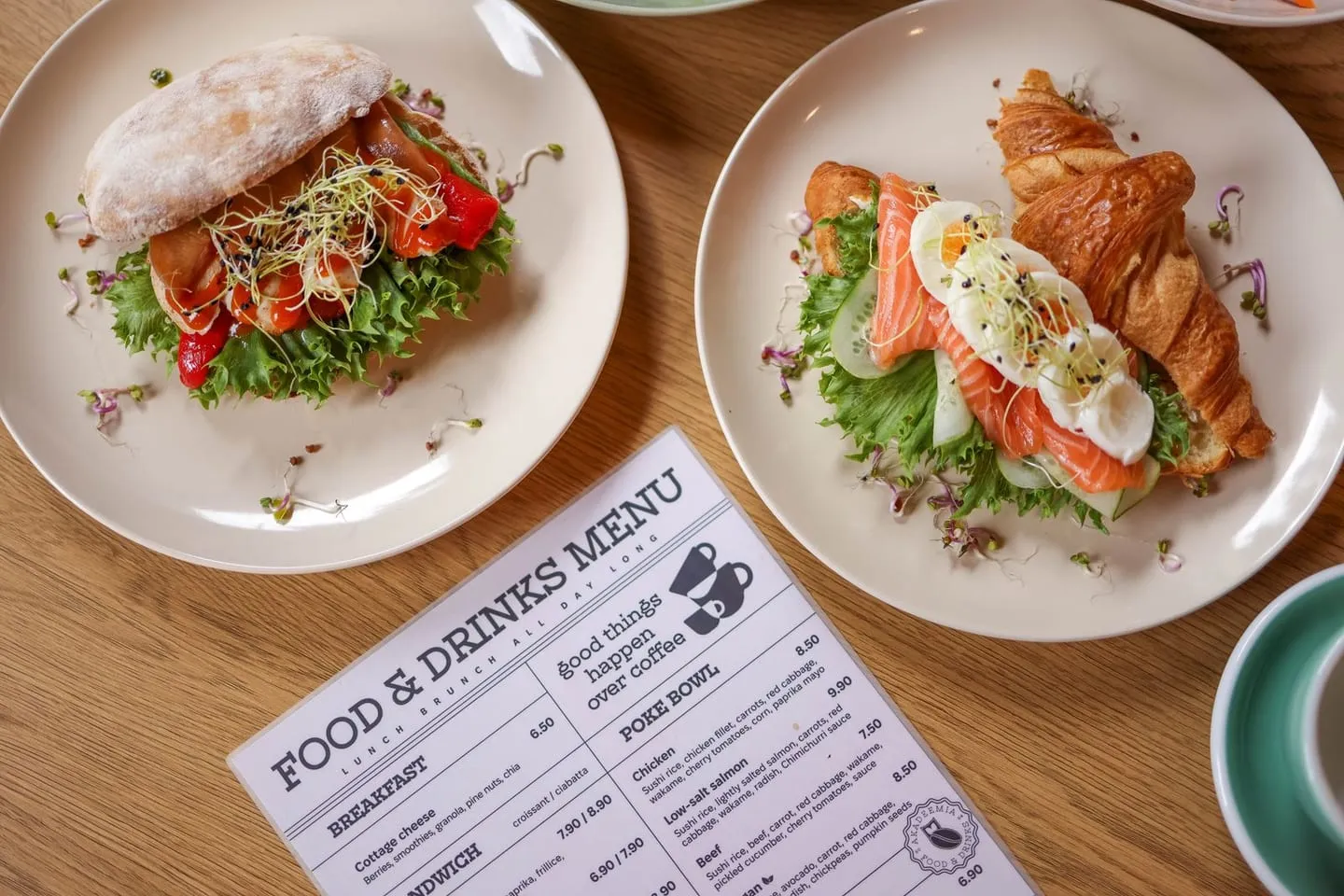
They Want It to Work on a Phone, and Many Still Want Paper
Here the data is genuinely mixed, and pretending otherwise would be a disservice.
Technomic’s 2022 consumer survey, reported by Restaurant Business, found that 57% of diners said QR menus feel like a chore, and most preferred paper at sit-down restaurants. That’s a real signal.
But look at what the complaints actually describe: menus that are a PDF you pinch and zoom, links that load slowly or not at all, no photos, tiny text, no way to jump to dessert. That’s not a QR code problem. That’s a bad digital menu problem.
The digital menus guests tolerate, even like, are built like a good mobile page: fast, photo-forward, readable without zooming, easy to scroll. And the restaurants that handle this best keep a few paper menus at the host stand for anyone who’d rather not scan. It costs almost nothing.
They Want Allergens and Dietary Info Up Front
Dietary information has moved from courtesy to expectation. Guests managing allergies, celiac disease, plant-based diets, halal or kosher, or just less sugar want to check before they order, privately, without making a speech to the server. If you haven’t looked at this lately, our allergen and dietary transparency guide covers what changed in 2026.
They Want to Be Heard Before They Post
One last thing guests want is less obvious: a way to tell you something went wrong that isn’t a public review. Most people would rather mention the cold fries to someone who’ll fix it than broadcast it. If you don’t give them a private channel, the public one is all that’s left.
That’s the part of the menu experience MenuOnGo handles quietly on its Pro plan. Guests can leave a private note from the menu itself, about the food, the team, or the room, that only you see, so you hear about a slow dessert or an over-salted soup while you can still do something about it. A link to your Google review page sits on every plan too, for every guest, because good feedback deserves a public home. Try it free for 30 days and read your first notes after Saturday service.
What Diners Prioritize on a Menu
| What Guests Look For | Why It Matters | Common Mistake |
|---|---|---|
| Photos of key dishes | Answer “is this what I want?” instantly, in any language | Dim, low-quality snapshots |
| Concrete descriptions | Reduce uncertainty and send-backs | Flowery copy that says nothing |
| Clear, current prices | Value is front of mind in 2026 | Outdated prices online, surprises on the check |
| Readability on a phone | Most menu reading happens before arrival | PDFs that need pinch-and-zoom |
| Allergens and dietary info | Expected, not a bonus | “Ask your server” with no detail |
| A way to give private feedback | Problems get fixed before they go public | No channel except a public review |
Frequently Asked Questions
What do diners look for first on a menu? Clarity about what they’re getting: photos of key dishes, concrete descriptions, and prices they can trust. Uncertainty is the most common reason guests hesitate or order the safest thing.
Should restaurants remove dollar signs from menu prices? A Cornell University study found guests spent about 8% more when prices appeared without dollar signs. It’s a low-risk tweak, but the same researchers found party size and dining time mattered far more.
Do diners dislike QR code menus? Many do when they’re badly built. A 2022 Technomic survey found 57% felt QR menus were a chore, but most complaints describe slow, hard-to-read PDF menus. Fast, readable digital menus, with paper available on request, address most of them.
Should a restaurant keep printed menus if it uses a QR menu? It’s a good idea. Keeping a small stack at the host stand costs little and removes a real friction point for guests who prefer paper.
How can restaurants get feedback before it becomes a bad review? Give guests an easy private channel, such as a note they can leave from the menu, alongside a public review link offered to everyone. Most people would rather tell you directly if they believe you’ll act on it.
Sources: Ohio State University, McKinsey & Company, Cornell University, Technomic (via Restaurant Business). Images: Pexels (free to use). Data current as of October 2026.
Read it on your break. Your menu keeps working.
Thirty days of every Pro feature, menu import included, and nothing to pay.