
The Restaurant Labor Shortage in 2026: What's Really Driving It (and What Actually Helps)
Ask an operator what keeps them up at night and staffing is near the top. Not finding people. Keeping them.
On paper the industry has rebuilt what it lost. Employment is projected at 15.8 million jobs in 2026, with operators adding more than 100,000 positions, according to the National Restaurant Association. Roughly three-quarters of operators plan to hire.
So why does it still feel impossible to run a full schedule? Because the shortage was never mainly about openings. It’s about the revolving door, and underneath it, a labor pool that’s getting smaller.
The Number That Defines the Industry
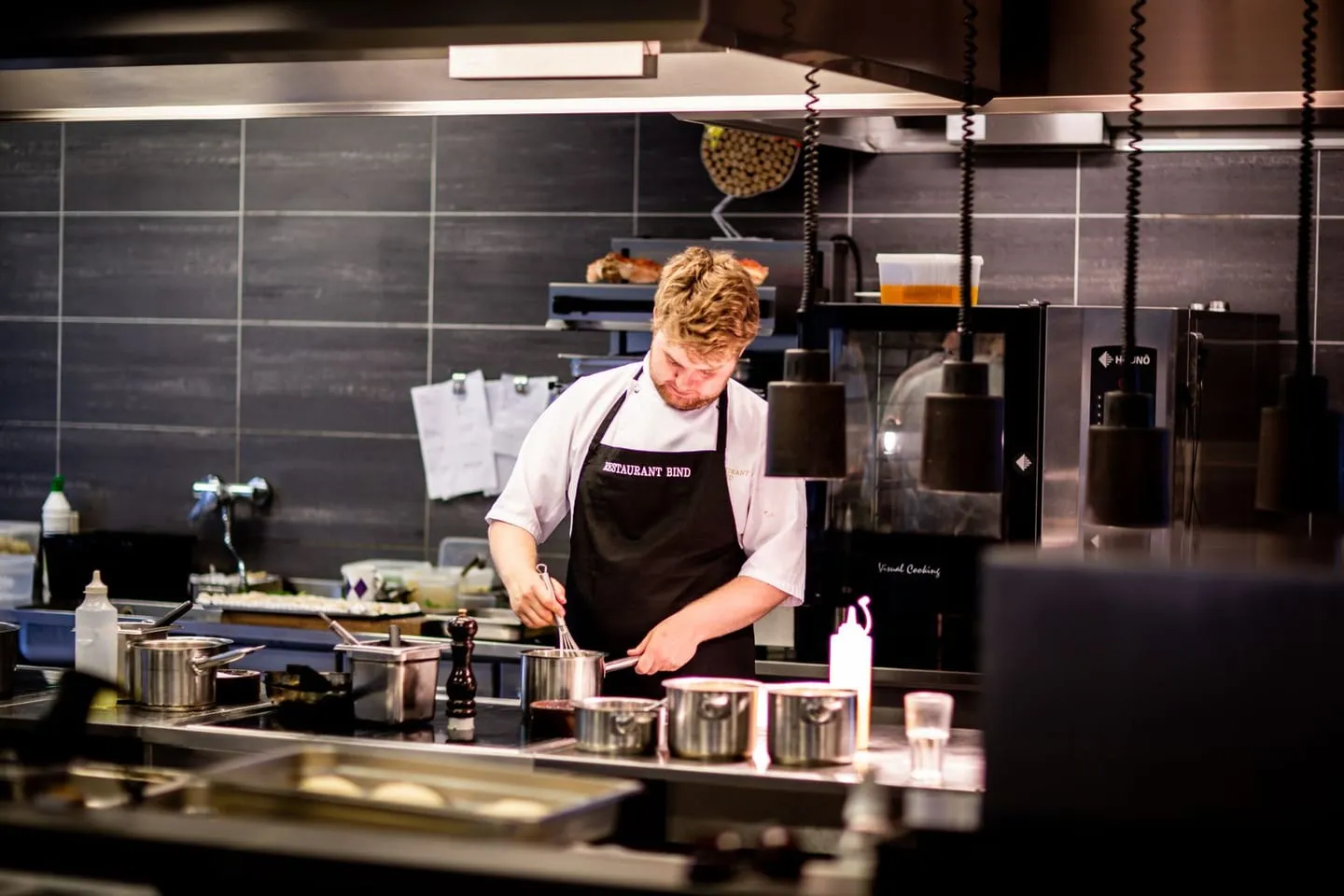
Restaurants don’t have an average turnover problem. They have the worst one in the country.
The Bureau of Labor Statistics reports that the quit rate in accommodation and food services was 3.5% in August 2026, the highest of any private industry, against 2.1% for private industry overall and 1.9% across all nonfarm jobs (BLS, The Economics Daily). That’s down from 3.9% a year earlier, a real improvement, but still well above everyone else.
Do the rough arithmetic: a 3.5% monthly quit rate means something like four in ten positions turn over through resignations alone over a year, before counting firings and layoffs. And quits are voluntary by definition. This isn’t operators cutting staff. It’s staff walking out.
Wages keep climbing anyway. Average hourly earnings in food service reached $21.57 as of January 2026, per the Bureau of Labor Statistics. Operators are paying more and still cycling through people.
The Supply Side Is Narrowing
The National Restaurant Association’s chief advocacy officer, Sean Kennedy, told Restaurant Dive that the biggest labor issue facing restaurants isn’t wages or scheduling. It’s immigration. The NRA lists immigration reform as its top workforce priority for the year, citing the absence of reform since the 1980s, enforcement unpredictability, and visa delays.
Add the other squeeze already underway, a shrinking 16-to-24-year-old population that historically fed restaurant hiring, and this looks less like a cyclical shortage that fixes itself and more like a structural narrowing from two directions at once.
Kennedy also named the trap: unlike many businesses, restaurants can’t easily cut labor costs even when labor rivals food costs. Wages rose after 2020 and didn’t come back down.

Why People Actually Leave
“Nobody wants to work anymore” is a comfortable explanation and a wrong one. The reasons workers give are specific:
- Pay, especially in tipped roles where income swings week to week.
- Unpredictable schedules. Getting hours two days before the week starts makes childcare, school, or a second job nearly impossible.
- Thin onboarding. Two weeks or less, then full speed. People who feel unprepared quit before they get good.
- No visible path up. A server who can’t see how anyone becomes a shift lead has no reason to stay past year one.
- A shift that grinds you down. The same questions forty times a night, the same apology for the same sold-out dish, the same sprint to the kitchen and back.
None of these describe laziness. They describe a job that, in many places, still runs on habits from a decade ago.
What Turnover Actually Costs
- Repeated training for the same position several times a year.
- More errors. A dining room staffed by people three weeks in makes more mistakes: missed modifications, wrong plates, slower tickets.
- Inconsistent service, which is what stops a first-time guest becoming a regular.
- Manager time permanently diverted into recruiting.
- Lost memory. Nobody remembers the regulars or why the walk-in door sticks.
What Actually Helps
- Publish schedules early and keep them. The cheapest meaningful change available, and the one most often skipped.
- Train before the floor. A real onboarding period costs far less than replacing that hire in six weeks.
- Make advancement visible, even in a ten-person team.
- Pay competitively for your market. At the industry’s quit rate, your team knows what the place down the street pays.
- Take the pointless running out of the shift. This is the one place technology genuinely helps, and it’s worth being precise about how.
No software fixes a wage problem. But a lot of a server’s night goes into jobs that wear people out without making anyone’s evening better: bringing and collecting menus, explaining what’s in a dish, delivering the sold-out news, running to the kitchen to check an allergen, trying to help a table that doesn’t read English.
That’s the idea behind MenuOnGo: the menu takes the running, so your servers keep the hospitality. Ingredients and allergens on every dish answer the questions before they’re asked, and on Pro a dish that sells out comes off every guest’s phone in one tap, so the apology tour never starts. What’s left for the server is the part people actually took the job for: the welcome, the recommendation, taking the order, and making sure the table is happy. You can try it free for 30 days with no card, and no staff retraining.
An Honest Caveat
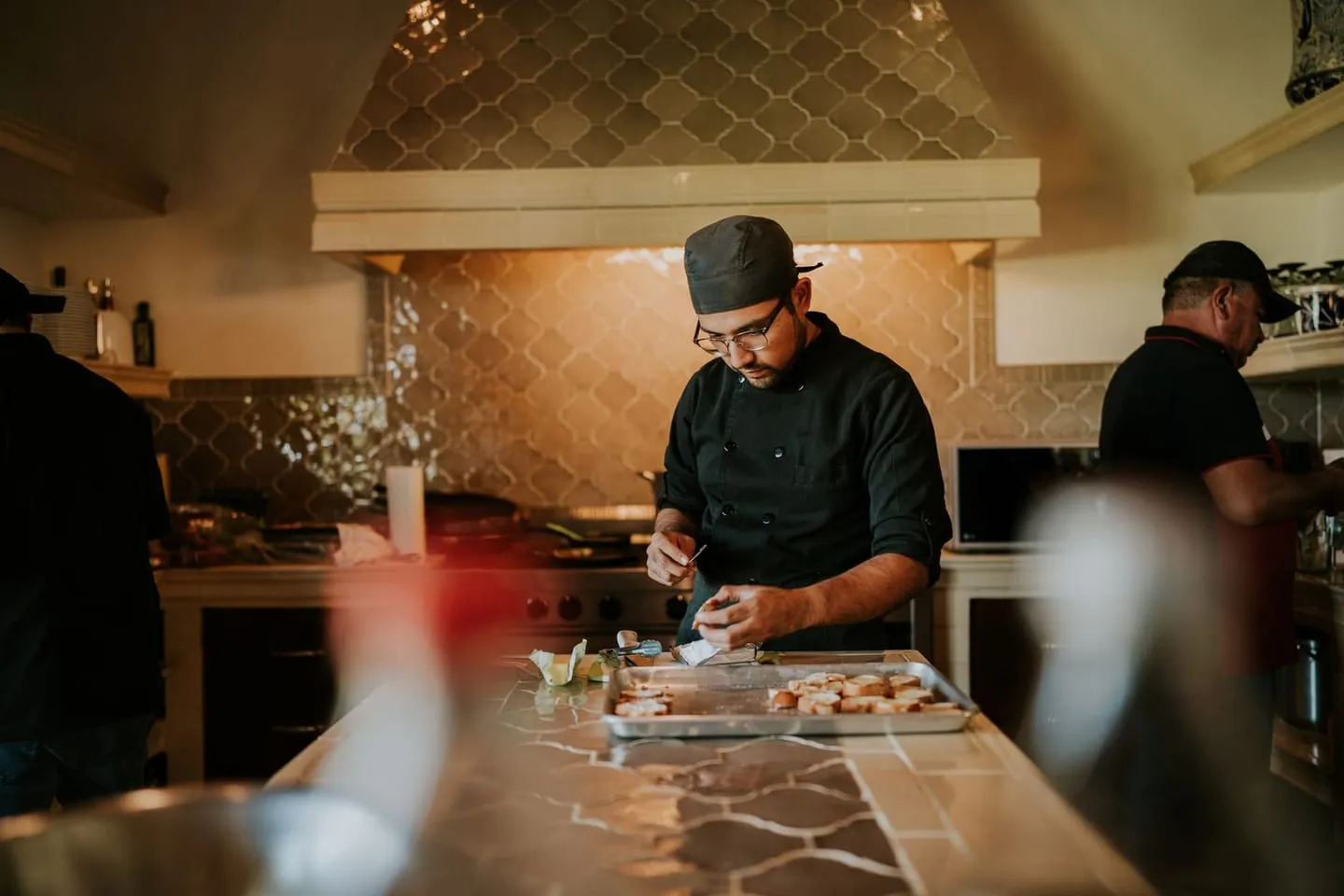
Retention advice can imply that struggling operators just aren’t trying hard enough. That’s unfair. The NRA found 42% of operators weren’t profitable in 2025. “Just pay more” isn’t available to everyone.
The realistic version: pay what you can, then compete on everything that doesn’t cost money, predictability, respect, training, and a shift that isn’t needlessly punishing. They aren’t a substitute for wages. They’re the margin you have left.
Restaurant Labor at a Glance, 2026
| Metric | Accommodation & Food Services | Comparison |
|---|---|---|
| Monthly quit rate | 3.5% (Aug 2026), highest private industry | 2.1% private industry; 1.9% all nonfarm |
| Change from a year earlier | Down from 3.9% (Aug 2025) | Easing, still far above average |
| Rough annual turnover from quits alone | About four in ten positions | Much lower in most industries |
| Average hourly earnings (food service) | $21.57 (Jan 2026) | Still rising |
| Projected employment | 15.8 million jobs, +100,000 in 2026 | Growing |
| Top industry labor priority | Immigration reform, per the NRA | — |
Frequently Asked Questions
Is the restaurant labor shortage still real in 2026? Yes, but it’s changed shape. Employment has recovered to about 15.8 million jobs. The problem is retention: the quit rate in accommodation and food services was 3.5% in August 2026, the highest of any private industry, according to the Bureau of Labor Statistics.
Why is restaurant turnover so much higher than other industries? A mix of pay (especially in tipped roles), unpredictable schedules, thin onboarding, limited advancement, and shifts full of repetitive, draining tasks. Quits are voluntary, so workers are choosing to leave.
What is the biggest labor issue for restaurants right now? The National Restaurant Association names immigration reform as its top workforce priority for 2026, citing decades without reform and a shrinking labor pool.
Does raising wages solve restaurant turnover? It helps a lot but rarely solves it alone. Predictable schedules, real training, visible advancement, and a less punishing shift all improve retention, which matters when 42% of operators reported no profit in 2025.
Can technology reduce staffing pressure? Only at the margins, and it’s worth being honest about that. Tools that remove repetitive work, like a menu that answers allergen and ingredient questions or drops sold-out dishes instantly, make a shift easier. They don’t fix pay, scheduling, or management.
Sources: U.S. Bureau of Labor Statistics (The Economics Daily; Industries at a Glance), National Restaurant Association (via Restaurant Dive). Images: Pexels (free to use). Data current as of October 2026.
Read it on your break. Your menu keeps working.
Thirty days of every Pro feature, menu import included, and nothing to pay.