
How Restaurants Can Reduce Order Errors and Improve Table Turnover
Most owners treat these as two separate problems. Order errors are a kitchen and training issue. Slow tables are a service and staffing issue. Different meetings, different fixes.
They’re usually the same problem in two hats. Both come down to information moving badly: a guest who isn’t sure what they want, a question that gets half-answered, a modification that gets remembered instead of written down. Fix the information flow and both numbers move together.
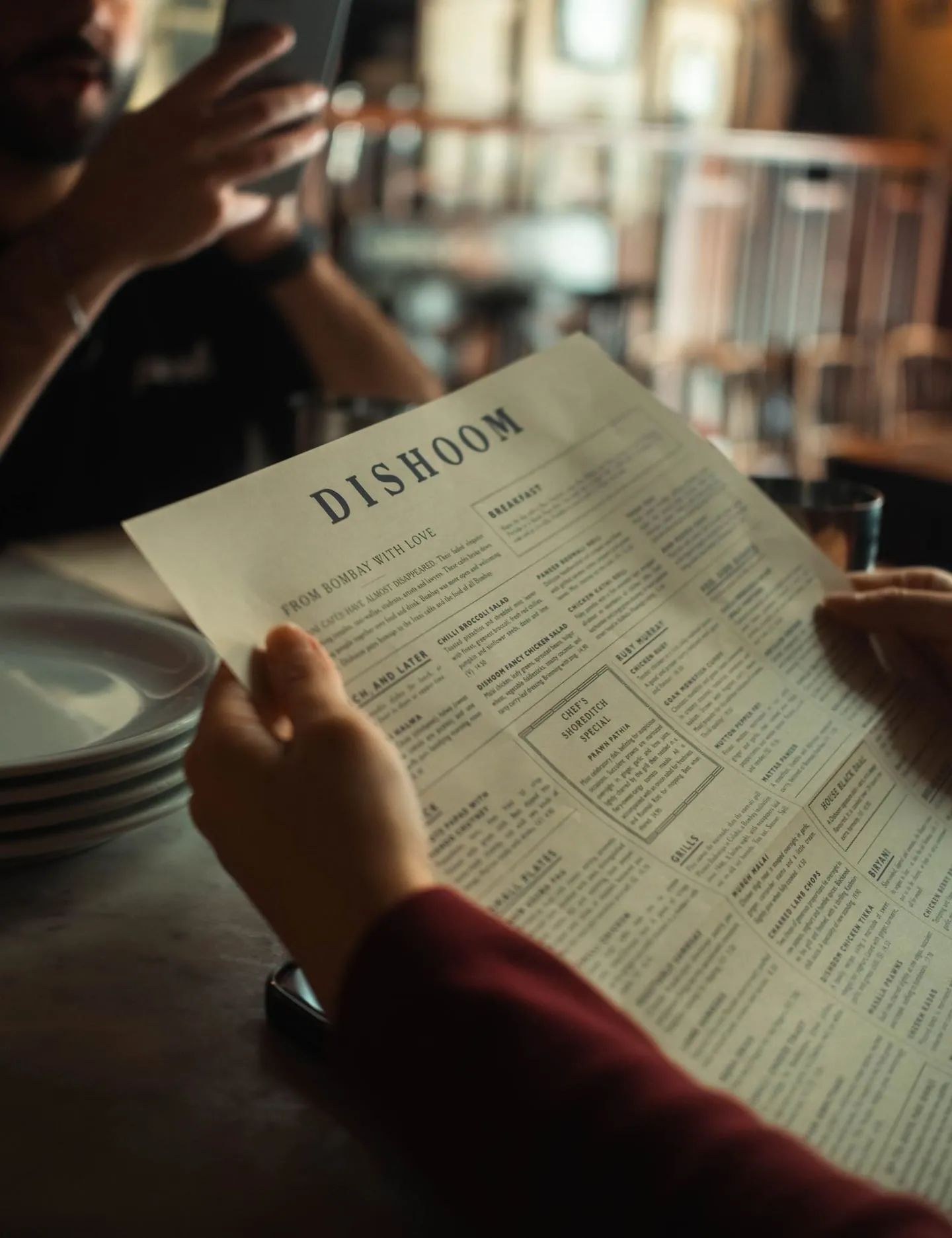
Order Errors Cost More Than the Remade Plate
Research from RMIT University for End Food Waste Australia found that order mistakes are the single biggest driver of food waste in quick-service restaurants, ahead of spoilage, over-prep, and portioning. The study, reported by RMIT, combined surveys of owners, managers, and staff with observation of real store operations. Its top recommendation wasn’t new equipment. It was fewer ordering mistakes and better training.
That framing matters, because most operators file waste under inventory and errors under service, so nobody connects the two on the P&L.
And the remade plate is only part of it. Every error also costs:
- A table’s worth of time, since the rest of the party waits or eats without them
- Server attention in the busiest window, pulled from three other tables
- Kitchen throughput on a re-fire that jumps the line
- Goodwill, the expensive one, because that’s the meal that gets written about
Where Errors Actually Start
Very few errors start in the kitchen. They start at the table, usually in one of three places:
- A guest who’s unsure. Someone orders a dish they don’t really understand, then sends it back when it isn’t what they pictured. Technically the ticket was right. The plate still goes in the trash.
- A verbal modification that never got written down. No onions, dressing on the side, an allergy swap. This is where the highest-stakes errors live.
- A rushed server, covering too many tables and taking an order from memory.
Point three ties straight to staffing. A dining room running on new hires makes more mistakes, and restaurant turnover is the highest of any U.S. industry (see our look at the restaurant labor shortage). Error rates and retention are linked, and no technology closes that gap by itself.
The Running That Eats Your Turn Times
Watch a server on a Saturday night and count the trips that have nothing to do with taking an order or serving food. Bringing menus. Collecting them. “What’s in the romesco?” and a walk to the kitchen to ask. “Sorry, we’re out of the short rib” at three tables in a row. The allergen run to the pass. Helping a table that doesn’t read English work out what to order.
Each of those trips is dead time for the table and a new chance for something to get garbled on the way. That loop, guest asks, server goes to find out, guest reconsiders, everyone starts over, eats minutes and is exactly where miscommunication turns into a wrong plate.
The fix is a menu that answers those questions on its own, so the server’s time goes to the parts of the job a menu can’t do.
That’s the idea behind MenuOnGo: the menu takes the running, the server keeps the hospitality. Allergens, ingredients, and dietary labels sit on every dish on every plan, so “does this have dairy?” is answered before anyone raises a hand. On Pro, a sold-out dish disappears from every phone with one tap, so nobody orders what you don’t have and nobody walks back to a table with bad news. Your server still greets, recommends, takes the order, and makes sure everyone’s happy, because hospitality doesn’t fit in a button. You can scan your current menu in for free and see how many of those questions it answers.
The Honest Counterpoint
A digital menu isn’t automatically faster, and guests say so. In Technomic’s 2022 consumer survey, reported by Restaurant Business, 66% of diners said they disliked having to pull out their phone as soon as they sat down.
That points at execution and etiquette, not the format. A menu that takes eight seconds to load and needs pinch-and-zoom will slow a table down. One that loads instantly and reads like a well-built mobile page won’t. And a server who still greets the table and offers paper to anyone who’d prefer it removes most of the friction. If you’re going digital to speed up service, test it yourself on a weak signal during a rush before assuming it works.
Small Things That Work
- Write every modification down. No exceptions for “easy” ones. Memory is where allergen incidents come from.
- Read the order back. Ten seconds at the table beats ten minutes of recovery.
- Pre-bus as you go. It shortens the reset between parties more than anything at the end.
- Name dishes honestly. A dish that surprises people gets sent back. Descriptions should predict the plate.
- Nudge, don’t rush. A Cambridge Judge Business School study found a simple table card asking guests to help reduce food waste cut the share of diners leaving leftovers by 16 percentage points. Small signals change behavior.
One caution on turnover: guests feel it when they’re being pushed out, and a rushed meal is a bad review waiting to happen. The goal isn’t a faster meal. It’s removing the dead time around it: the ten minutes deciding, the wait to flag someone down, the reset between parties.
Where Time and Errors Actually Go
| Stage of the Visit | Common Time Loss | What Reduces It |
|---|---|---|
| Before arrival | Guest hasn’t seen the menu | A current, mobile-readable menu that’s easy to find |
| First 10 minutes seated | Deciding, asking questions | Clear descriptions, photos, dietary info on the menu |
| Taking the order | Verbal modifications missed | Write everything down; read it back |
| Kitchen to table | Remakes from wrong or misunderstood orders | Accurate tickets; dish names that match the plate |
| Mid-service | Sold-out news delivered table by table | Remove the dish from the menu the moment it’s gone |
| After plates clear | Slow reset between parties | Pre-bussing; prompt check |
Frequently Asked Questions
What causes most restaurant order errors? Most start at the table, not in the kitchen: an unsure guest, a verbal modification that wasn’t written down, or a server working from memory while covering too many tables. RMIT University research identified order mistakes as the leading driver of food waste in quick-service restaurants.
How much does an order error really cost? Far more than the wasted food. It also takes server attention at peak, disrupts the kitchen with a re-fire, delays the whole table, and often surfaces later in a review.
Does a digital menu speed up table turnover? It can, if it’s built well and doesn’t replace hospitality. A fast menu that answers allergen, ingredient, and sold-out questions cuts trips to the kitchen; a slow PDF behind a QR code adds friction. Technomic found 66% of diners dislike having to reach for their phone the moment they sit down, so keep a warm greeting and paper on hand.
How can a restaurant improve turnover without rushing guests? Target dead time, not meal time: help guests decide quickly, answer common questions on the menu itself, pre-bus throughout, and bring the check promptly.
Do menu descriptions affect order accuracy? Yes. A dish whose description doesn’t match what arrives gets sent back even when the ticket was correct, producing the same waste and delay as a kitchen error.
Sources: RMIT University / End Food Waste Australia, Cambridge Judge Business School, Technomic (via Restaurant Business). Images: Pexels (free to use). Data current as of October 2026.
Read it on your break. Your menu keeps working.
Thirty days of every Pro feature, menu import included, and nothing to pay.