
Why Multilingual Menus Matter More Than Most Restaurant Owners Think
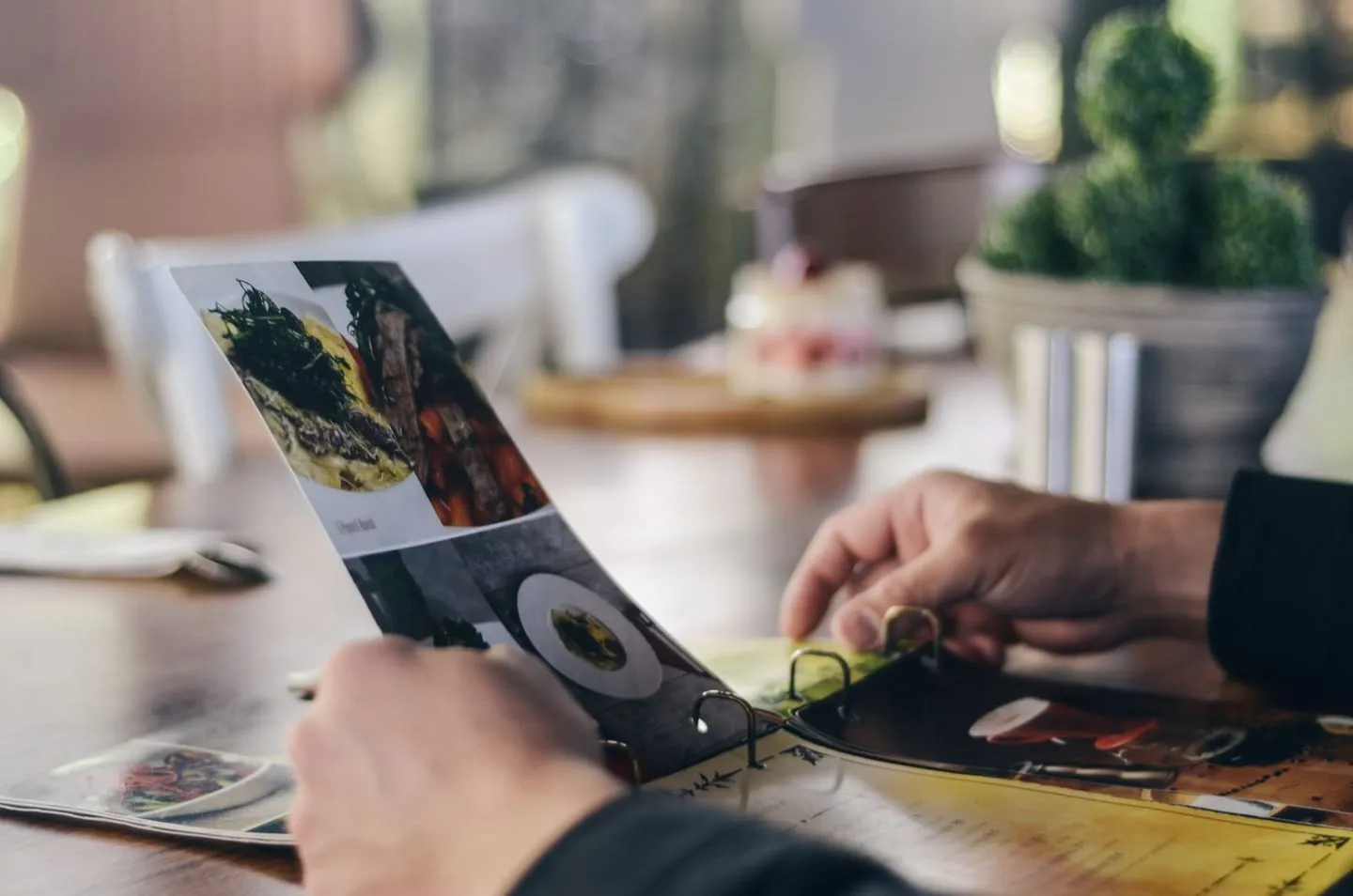
There’s a moment that plays out in restaurants across the country every day. A family sits down, opens the menu, and one person starts quietly translating it for everyone else. Sometimes they get it right. Sometimes “braised short rib” becomes something vaguely beef-adjacent and they order it hoping for the best. Sometimes they point at whatever the next table is eating, because that feels safer than guessing.
That’s not an edge case. That’s a Tuesday.
The Numbers Are Bigger Than You’d Guess
Start with who already lives here. According to the U.S. Census Bureau, more than 1 in 5 people age 5 and older in the United States speaks a language other than English at home, and the Bureau’s detailed tables cover more than 500 languages and language groups. That’s roughly 22% of your potential guests, concentrated in exactly the metro areas where most restaurants and cafes operate.
Then add visitors. The National Travel and Tourism Office reported that international visitors spent more than $250 billion on U.S. travel and tourism in 2025, an average of $686 million a day, with restaurant meals among the purchases it tracks.
Both groups walk past your door. The question is whether your menu tells them anything when they do.
What a Menu Nobody Can Read Costs You
- They order less. Uncertainty makes people conservative. Nobody adds the unfamiliar appetizer when they’re unsure about the entrée.
- They order the safe thing. Your most distinctive dishes get skipped for whatever word they recognize: chicken, salad, pasta.
- They take longer. More questions, more back-and-forth, slower turns on your busiest nights.
- They don’t come back. A meal where you felt lost isn’t one you recommend.
There’s a quieter cost too. A guest who can’t read the ingredients can’t check them, which matters a lot for anyone managing an allergy in their second language.
Why Print Made This Hard
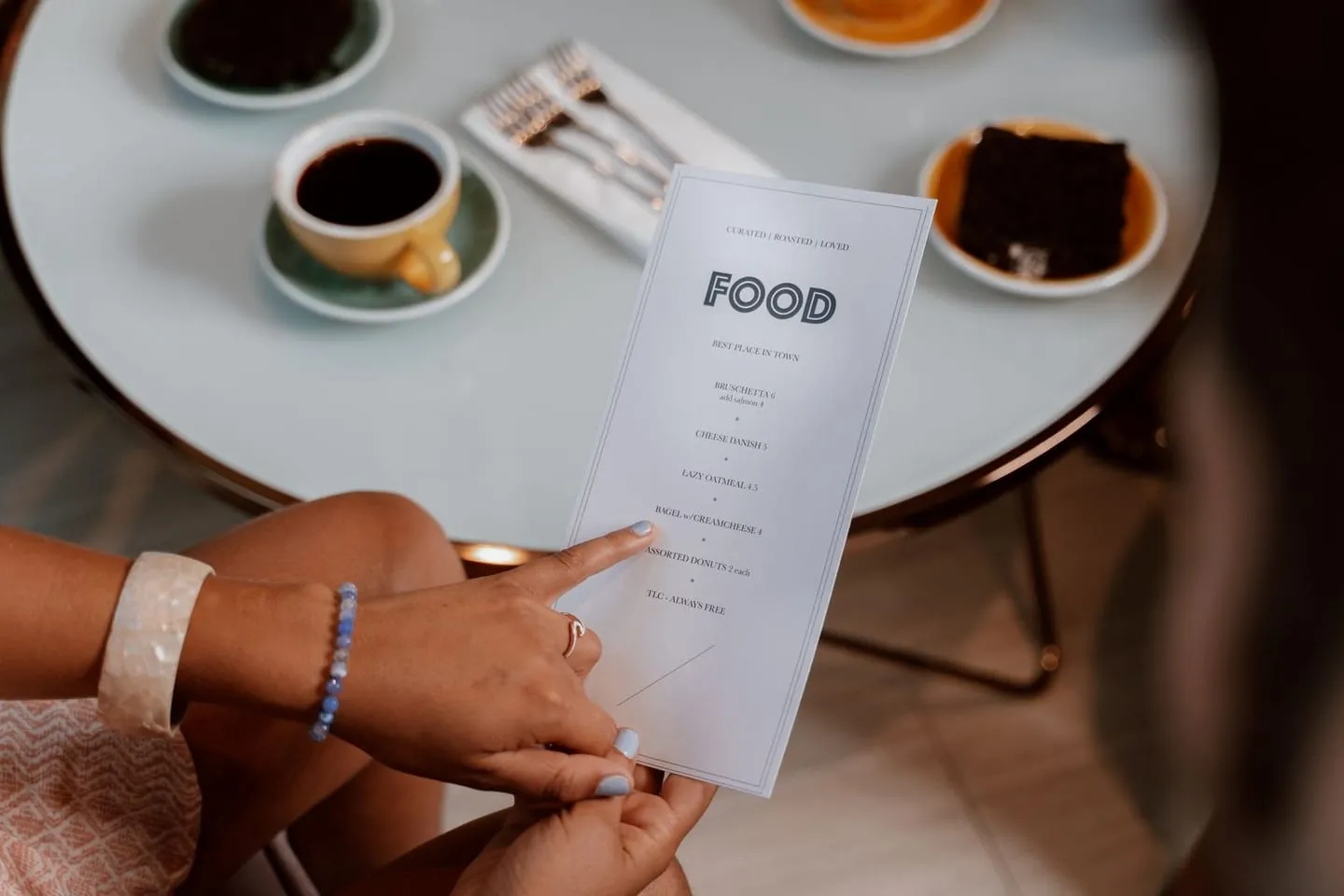
For decades the honest answer to “why don’t you have a Spanish menu?” was cost. A second language meant a second print run, a second stack to store, staff remembering to grab the right one, and reprinting both every time a price moved. A third language stopped being practical for most independents.
Digital removes almost all of that. The same QR code serves everyone who scans it, and the menu can open in the guest’s own language without a server guessing which version to hand over.
The Real Risk: Bad Translation
A bad translation is worse than none. Pasting a menu into a free translator and publishing the result is how you end up with dishes that are accidentally hilarious, or worse, wrong about ingredients.
Food is where generic machine translation fails hardest. Dish names get translated literally when they shouldn’t be (“pot stickers” becoming something about cookware). Regional ingredients turn into the wrong thing. “Chips” means fries in London and crisps in New York. An allergen can disappear in the wording.
That’s why the newer tools that matter are the ones that know they’re reading a menu. They keep dish names that should stay as they are (nobody wants “cacio e pepe” translated), choose food words instead of dictionary words, and leave a human to approve the result.
This is how MenuOnGo approaches it. You can write your menu in any of 230 languages, including Arabic, Chinese, Japanese, and Korean scripts, on every plan. On Pro, context-aware AI translation adds up to 10 more languages in one click each, more on request, and a guest’s phone opens the menu in their own language automatically when you offer it. Nothing goes live until you’ve checked it, and you should: have someone fluent read every line, allergens above all. You can try it free for 30 days and translate into the one or two languages your guests actually speak.
How to Choose Your Languages
- Start with the one or two languages your actual guests speak, not a long list. Census data for your area, your hotel neighbors, and your own staff will tell you which.
- Get a native speaker to review food terms. Dish names and cooking methods are where errors hide.
- Keep descriptions short and concrete. “Grilled chicken, lemon, garlic, olive oil” translates cleanly. Poetic menu writing doesn’t.
- Use photos. A good picture works in every language.
Who Should Prioritize This
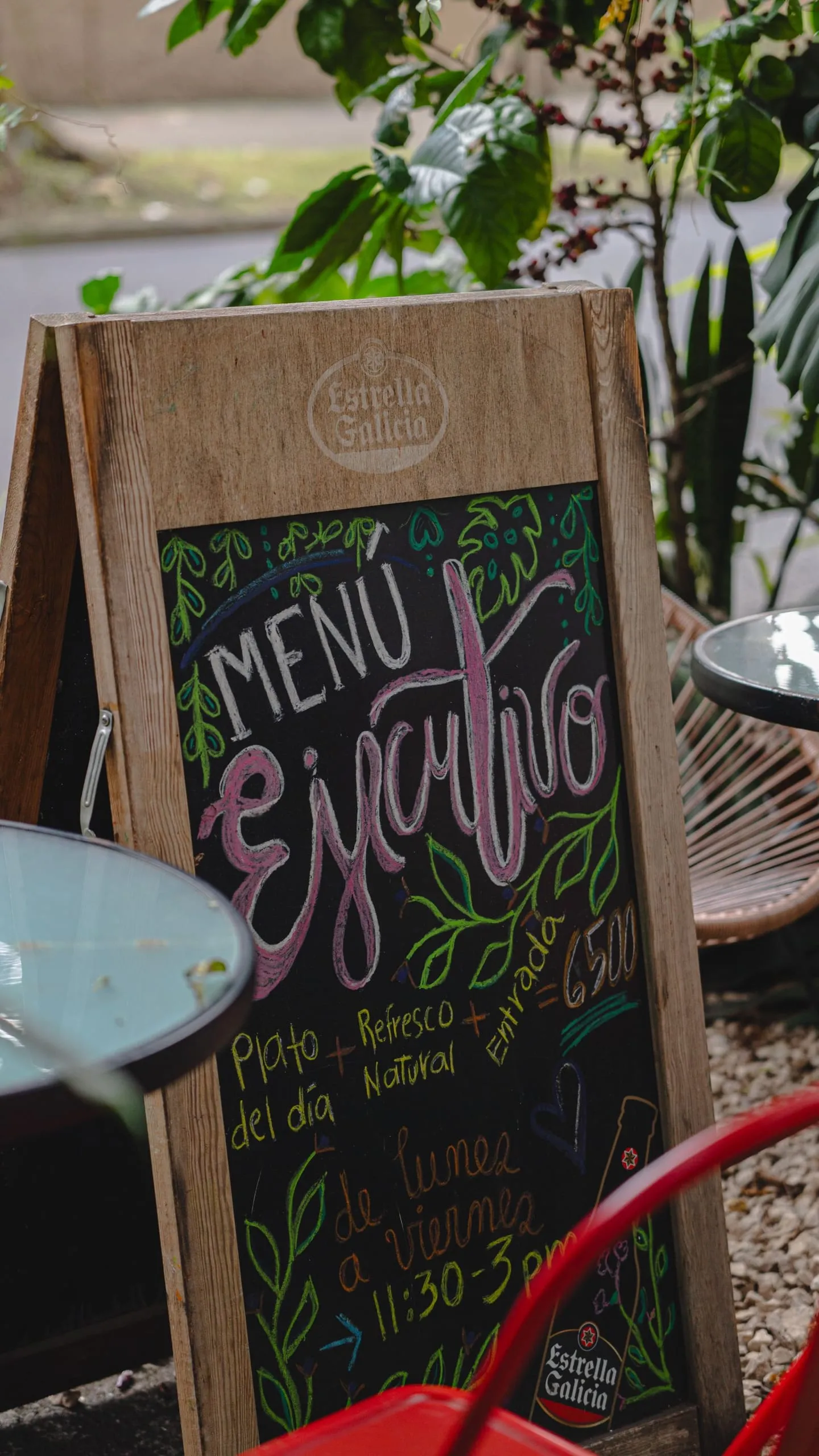
- Restaurants and cafes near tourist districts, airports, convention centers, or attractions
- Hotel restaurants, bars, and breakfast rooms serving international guests
- Coffee shops near universities with large international student populations
- Neighborhood restaurants where a second language is widely spoken at home
Printed vs. Digital: The Multilingual Math
| Factor | Printed Menu | Digital QR Menu |
|---|---|---|
| Adding a second language | A full second print run | One translation, reviewed once |
| Adding a fourth language | Rarely practical | Same effort as the second |
| Updating a price in every language | Reprint every version | One update, all languages |
| How the guest gets their language | Asks a server | Opens in their phone’s language, or one tap |
| Storage and handling | Multiple menu sets | One QR code on the table |
| Translation quality control | Proofread before printing | Must still be reviewed by someone fluent |
Frequently Asked Questions
How many people in the U.S. speak a language other than English at home? More than 1 in 5 people age 5 and older, according to the U.S. Census Bureau, with more than 500 languages and language groups recorded in its detailed tables.
Which languages should a restaurant add first? The ones your actual guests speak. Spanish is the most common non-English language nationally, but the right second or third language depends on your neighborhood, nearby hotels and attractions, and your customer base.
Is machine translation good enough for a restaurant menu? Generic translation isn’t safe to publish unreviewed. Menu-aware AI translation that keeps dish names intact and uses food vocabulary is far better, but someone fluent should still check every line, especially allergens.
Why is a multilingual menu easier with a QR code menu? A printed menu needs a separate physical version for every language, multiplying printing costs. A digital menu lets every guest read the same menu in their own language from one code on the table.
Do multilingual menus increase sales? There’s no reliable universal figure, but the logic is straightforward: guests who can read a menu confidently explore beyond the few items they recognize, while guests who can’t default to the safest familiar option.
Sources: U.S. Census Bureau (American Community Survey), National Travel and Tourism Office / International Trade Administration. Images: Pexels (free to use). Data current as of October 2026.
Read it on your break. Your menu keeps working.
Thirty days of every Pro feature, menu import included, and nothing to pay.