
Hotel Restaurant and Room Service Menus: Why F&B Is the Bright Spot, and Where the Menus Fall Short
Walk through a mid-size hotel and count the menus. The lobby bar has one. The restaurant has lunch and dinner. Breakfast has its own. The pool has a snack list. Room service sits in a leather folder on the desk, last reprinted when someone remembered. Banquets have another, and the coffee cart has a chalkboard.
That’s six or seven menus, often managed by different people, printed on different schedules, and slightly wrong in different ways. In a year when hotel food and beverage is outperforming the rooms side, that mess is worth fixing.
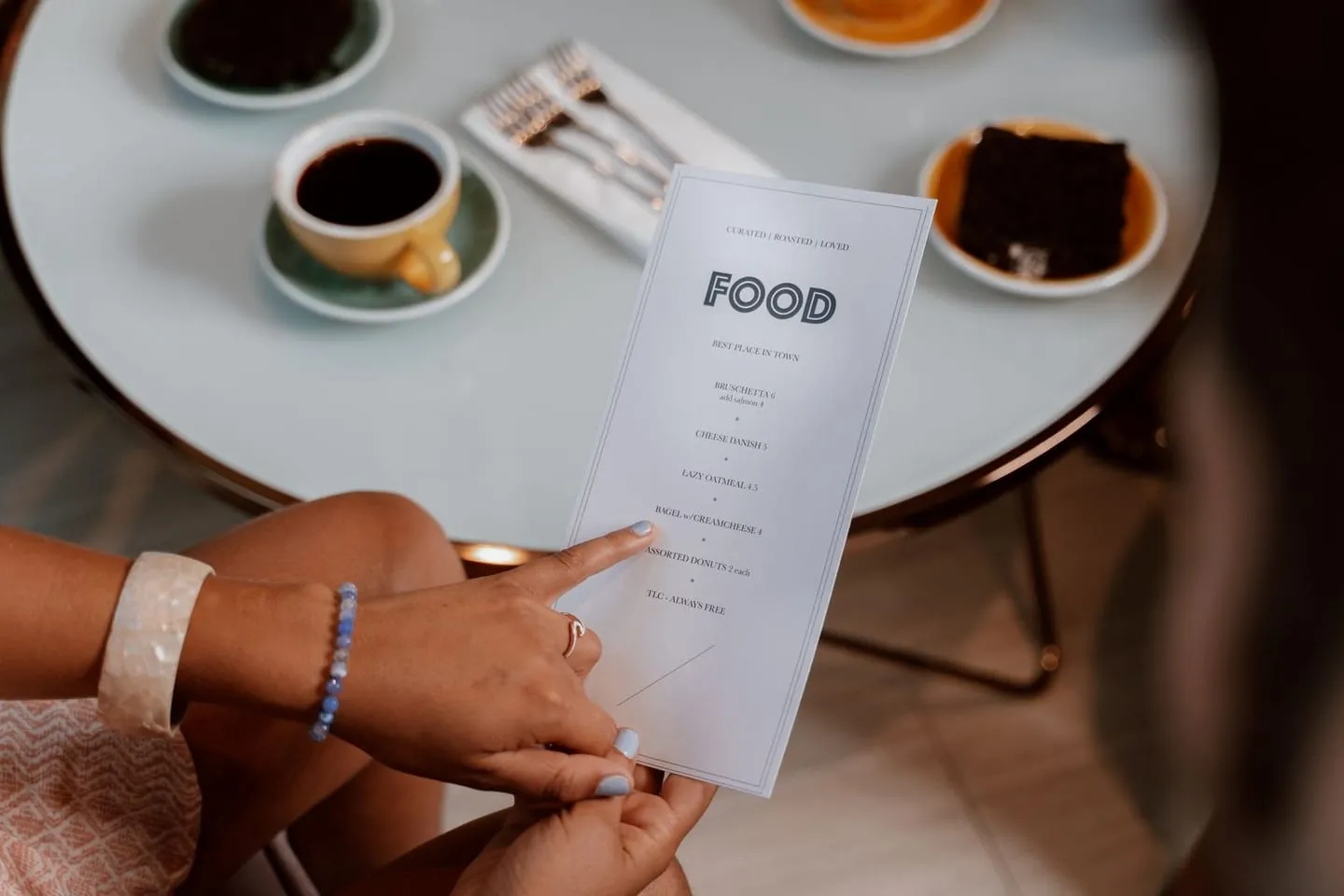
Food and Beverage Is Carrying Its Weight
CBRE’s analysis of U.S. hotel operating data for the first half of 2025 found food and beverage revenue per occupied room up 3.8%, outpacing total hotel revenue growth of 3.0%, while rooms revenue rose only 0.8% (CBRE). F&B departmental profit margins improved too, from 28.7% to 29.1%.
The detail is uneven. Food revenue in hotel restaurants and outlets grew 5.2%, while beverage revenue in those venues was flat, and luxury and resort hotels led the gains while convention hotels struggled.
There’s a cost warning in the same data: labor makes up 59.4% of F&B expenses. Every task that doesn’t need a person, like re-explaining a menu, answering the same allergen question, or translating for a guest, is expensive in a hotel outlet.
Where Hotel Menus Usually Fall Short
Too many versions. A price change in the restaurant should change the room service menu too, but rarely does on the same day. Guests notice when the burger costs one thing downstairs and another upstairs.
Room service folders go stale. In-room menus are the hardest to reprint, so they’re the most likely to show dishes the kitchen stopped making months ago. A guest ordering something that doesn’t exist at 10 p.m. is a small disaster.
Language is an afterthought. International guests are a hotel’s core business in many markets, yet most outlet menus exist only in English. A guest who can’t read the menu orders the club sandwich, or orders nothing.
Allergen questions fall on the night shift. The person taking an in-room order at 11 p.m. is often the least able to answer “is there sesame in this?” with confidence.
Outlets have different hours and dayparts. Breakfast ends at 10:30, the pool bar closes at sunset, the lobby bar runs a late menu. Printed menus don’t know what time it is.
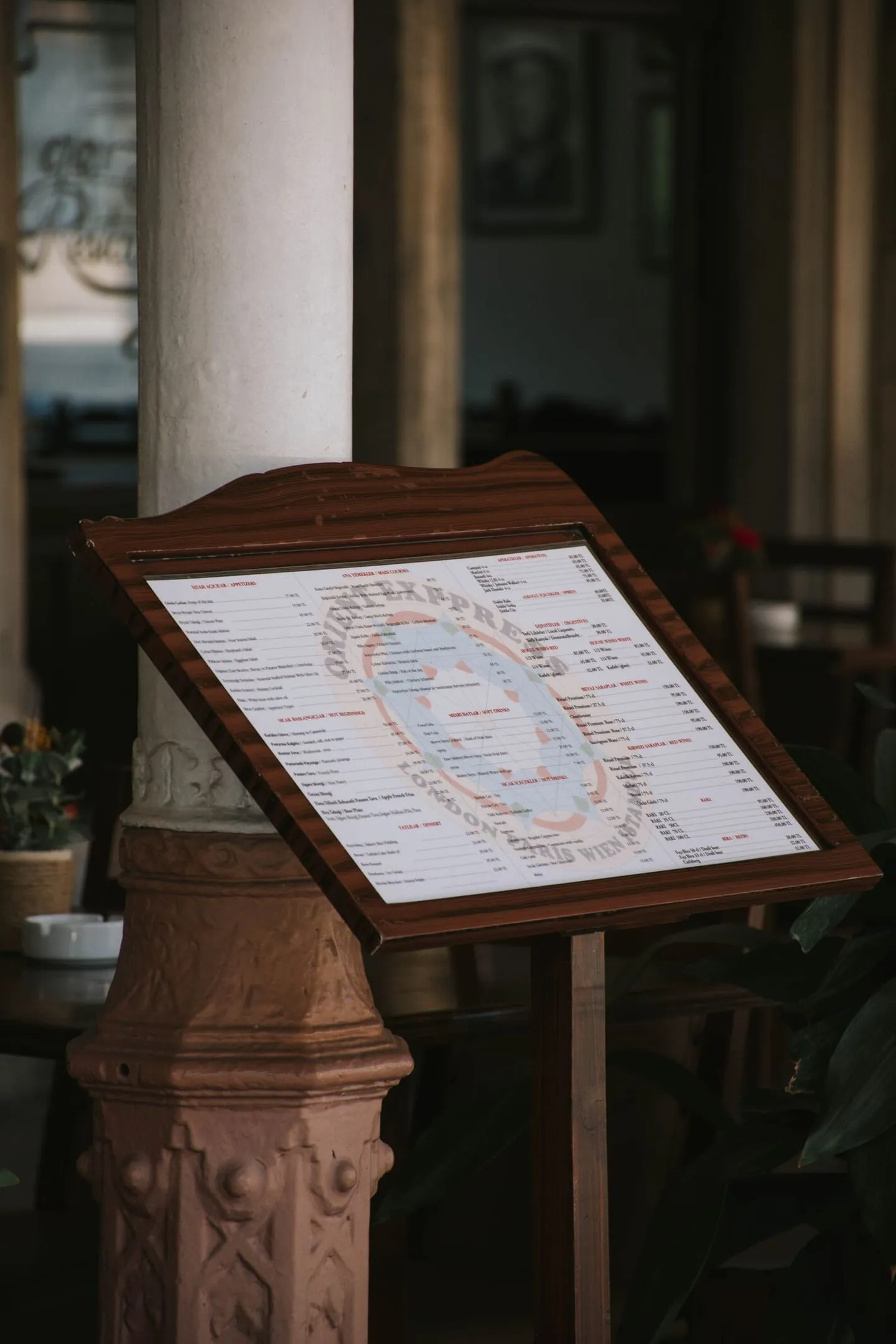
What a Better Setup Looks Like
Each outlet gets its own menu and its own QR code, but they’re managed from one place. A price change or a new dish goes out once and lands wherever it belongs.
Room service becomes a code in the room, not a folder. A card on the desk opens the current in-room menu on the guest’s own phone, with no app to install and nothing to reprint. Keep a printed version for guests who want it.
Menus open in the guest’s language. Not every language on earth, but the handful your guests actually speak, translated properly and checked by someone fluent.
Allergens and ingredients live on every dish, so the answer doesn’t depend on who’s on shift.
Each outlet can mark its own items sold out without touching the others. The pool bar running out of mango doesn’t change the restaurant’s dessert menu.
Running Many Outlets Without Many Headaches
This is exactly the setup MenuOnGo supports on its Pro plan. Central menu management lets you run the lobby bar, the restaurant, the pool, breakfast, and room service from one place: change a dish or a price once and it updates everywhere it appears, while each outlet keeps its own QR code and its own sold-out list. Context-aware AI translation renders each menu in up to 10 languages, keeping dish names that shouldn’t change, and guests see their phone’s language automatically; your team checks every translation before it goes live. You can try it free for 30 days across your outlets before deciding anything.
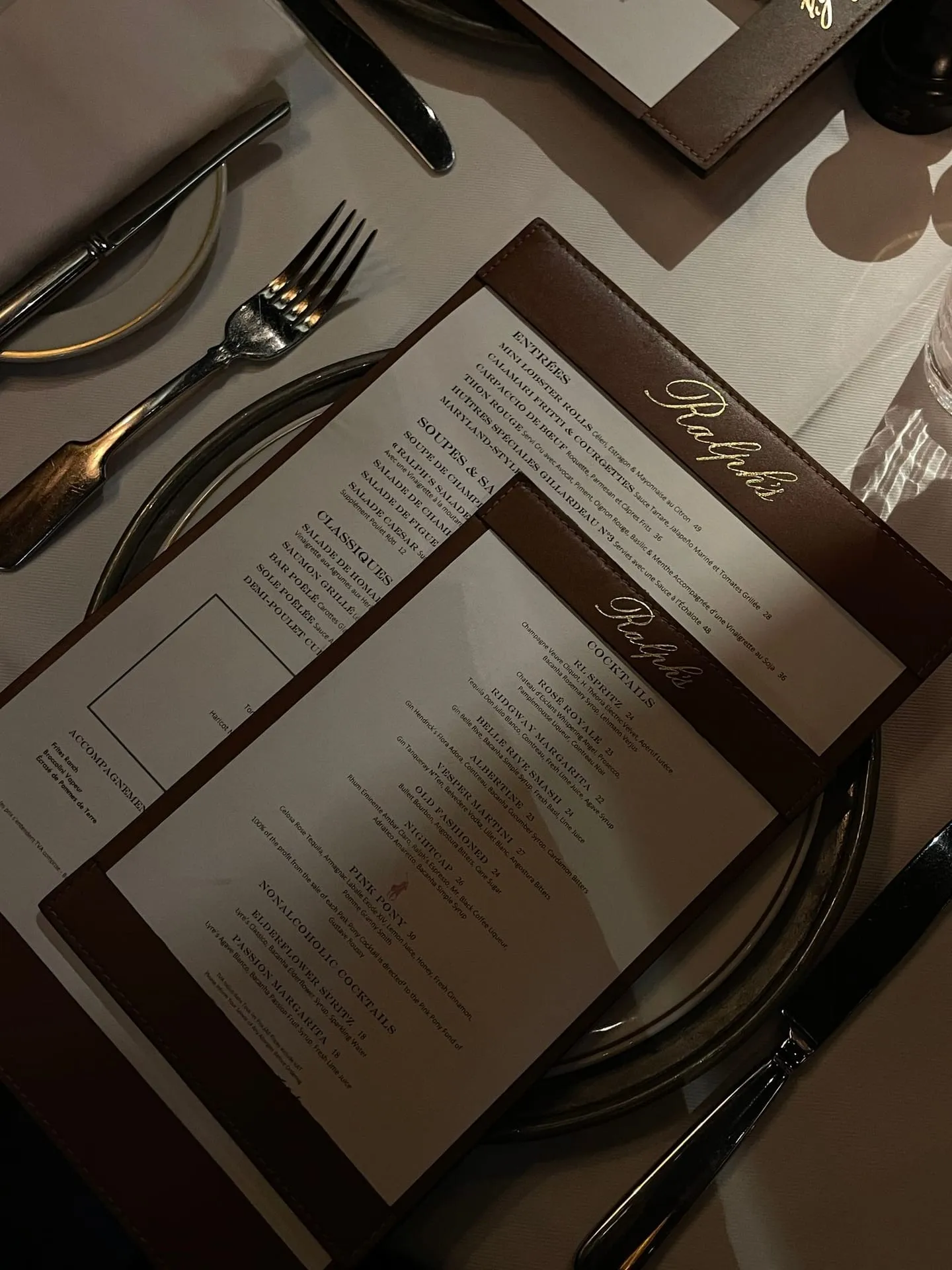
A Few Hotel-Specific Tips
- Put the menu link in the pre-arrival email. Guests who browse the restaurant menu before check-in are more likely to book a table than those who discover it on the way to the elevator.
- Add the restaurant’s menu to its own Google listing. Hotel restaurants compete with every place within walking distance for the guest who wants to go out.
- Use local specialties as limited-time dishes. Travelers want a sense of place; a regional dish for the festival weekend gives them one.
- Write room service descriptions for tired people. Short, clear, with portion and preparation time. Nobody wants to read a paragraph at midnight.
Printed vs. Centrally Managed Hotel Menus
| Factor | Separate Printed Menus | Centrally Managed Digital Menus |
|---|---|---|
| Price change across outlets | Several reprints, rarely in sync | One change, every outlet |
| Room service accuracy | Drifts between reprints | Current every time it’s opened |
| Languages | Usually English only | Several, checked by fluent staff |
| Allergen answers | Depend on who’s on shift | On every dish |
| Sold-out items | Explained by staff | Each outlet hides its own |
| Guest access before arrival | Rare | Link in emails, listing, and the room |
Frequently Asked Questions
Is hotel food and beverage revenue growing? Yes. CBRE found U.S. hotel F&B revenue per occupied room grew 3.8% in the first half of 2025, faster than total hotel revenue at 3.0%, with F&B profit margins improving to 29.1%.
Should hotels replace room service folders with QR codes? Many are moving that way because in-room menus are the hardest to keep current. A QR code that opens the current menu on the guest’s phone stays accurate; keeping a printed copy available covers guests who prefer it.
How should a hotel manage menus for several outlets? Give each outlet its own menu and QR code, but manage them centrally so price and item changes go out once. Let each outlet control its own sold-out items.
Which languages should a hotel menu include? The ones your guests actually speak, based on booking data and source markets. Translate food terms carefully and have a fluent speaker review every line, especially allergens.
Why does labor matter so much in hotel F&B? CBRE’s data shows labor makes up 59.4% of hotel F&B expenses, so time spent explaining menus, translating, or answering repeat allergen questions is unusually costly.
Sources: CBRE (U.S. hotel food and beverage analysis, 2025). Images: Pexels (free to use). Data current as of October 2026.
Read it on your break. Your menu keeps working.
Thirty days of every Pro feature, menu import included, and nothing to pay.