
The Rise of Contactless Dining: From QR Menus to Digital Payments
In the spring of 2020, “contactless dining” arrived as one package. Scan a code for the menu. Order from your phone. Pay without touching anything. Restaurants adopted the whole bundle at once because they had no choice, and most people assumed it would vanish the moment it was safe to hand someone a laminated menu again.
That’s not what happened. The bundle came apart, and the pieces went in different directions. One won so decisively that nobody notices it anymore. One stuck around but stayed contested. And one never really landed in sit-down restaurants at all.
Knowing which is which turns out to be useful.
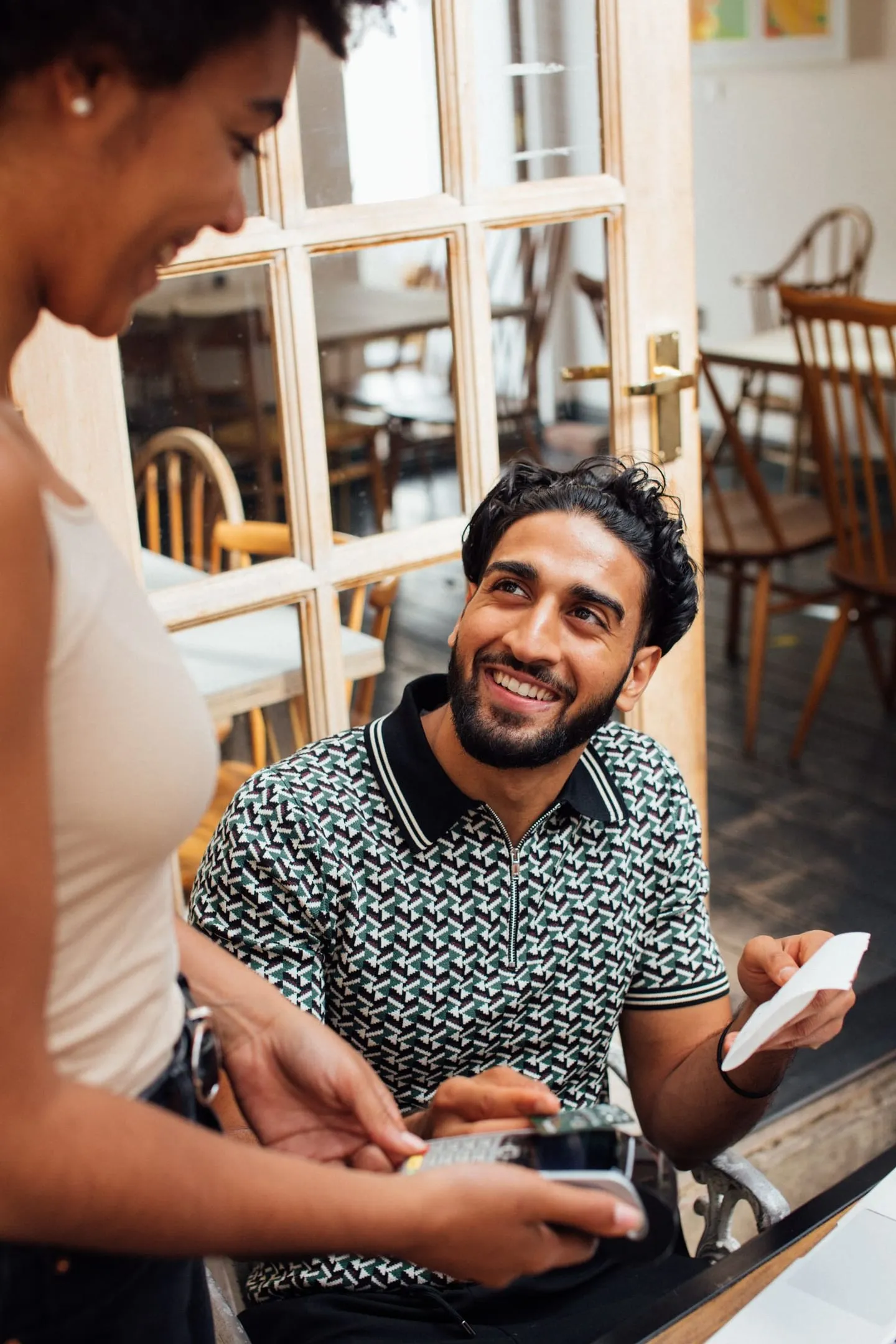
Payments Won, and It Wasn’t Close
Cash now accounts for roughly 16% of restaurant payments, down from 31% in 2017, according to the Federal Reserve’s Diary of Consumer Payment Choice. Cards and phones carry most in-person transactions now, and the shift stuck.
Why did this piece win so completely? Because it removed a step for everyone. Tapping a card is faster than waiting for a server to run it, it needed nothing new from the guest, and it worked with the card and phone already in their pocket. Nobody had to learn anything or download anything.
QR Menus Stayed, but Not for the Reason You’d Think
The 2022 prediction was that QR code menus would die with mask mandates. They didn’t. Most restaurants that adopted a digital menu during COVID never went back.
But hygiene isn’t why. Interestingly, guests still give QR menus credit on that front: in Technomic’s 2022 consumer survey, reported by Restaurant Business, 67% agreed QR menus are more sanitary than paper. That same survey, though, found most diners still preferred paper at a sit-down restaurant. So cleanliness got the technology in the door; it isn’t what kept it there.
What kept it was economics: no reprints, prices updated the same day, a seasonal special live by lunch, no stack of outdated menus in a drawer. For operators, the format paid for itself. For guests, the experience depends entirely on how well the digital menu is built.

The Piece That Never Fully Landed
Full contactless ordering, building your whole order on your phone at a table with a server twenty feet away, is the part of the 2020 bundle that never settled in at full-service restaurants.
It works in some places: stadium concessions, poolside service, fast-casual counters, packed bars. In a sit-down restaurant it often does the opposite of what it promises. It removes the person whose job is to recommend the special, answer a question about the fish, and notice your water glass is empty. Efficiency isn’t what a full-service restaurant is selling.
The Bundle Left a Problem Behind
Because everything got adopted together in 2020, guests learned to associate “scan this code” with “you’re about to be asked for something”: an account, a card number, an app download.
That’s a real cost for a restaurant that just wants to show someone a menu. A code on the table now carries a little unwanted weight, and that hesitation is entirely inherited from a bundle that no longer needs to be bundled.
Separating the two is more valuable than it sounds, and it’s the thinking behind MenuOnGo. It’s a menu display by choice: no ordering, no payment, no account, and no app. A guest scans, the menu opens in the browser already on their phone, and nothing is asked of them. Your POS keeps doing the transaction, and your server keeps taking the order. A guest who scans and immediately sees good food, clearly presented, has a much better first thirty seconds than one bracing for a checkout screen. You can scan your own menu in for free and test that first impression on your phone.
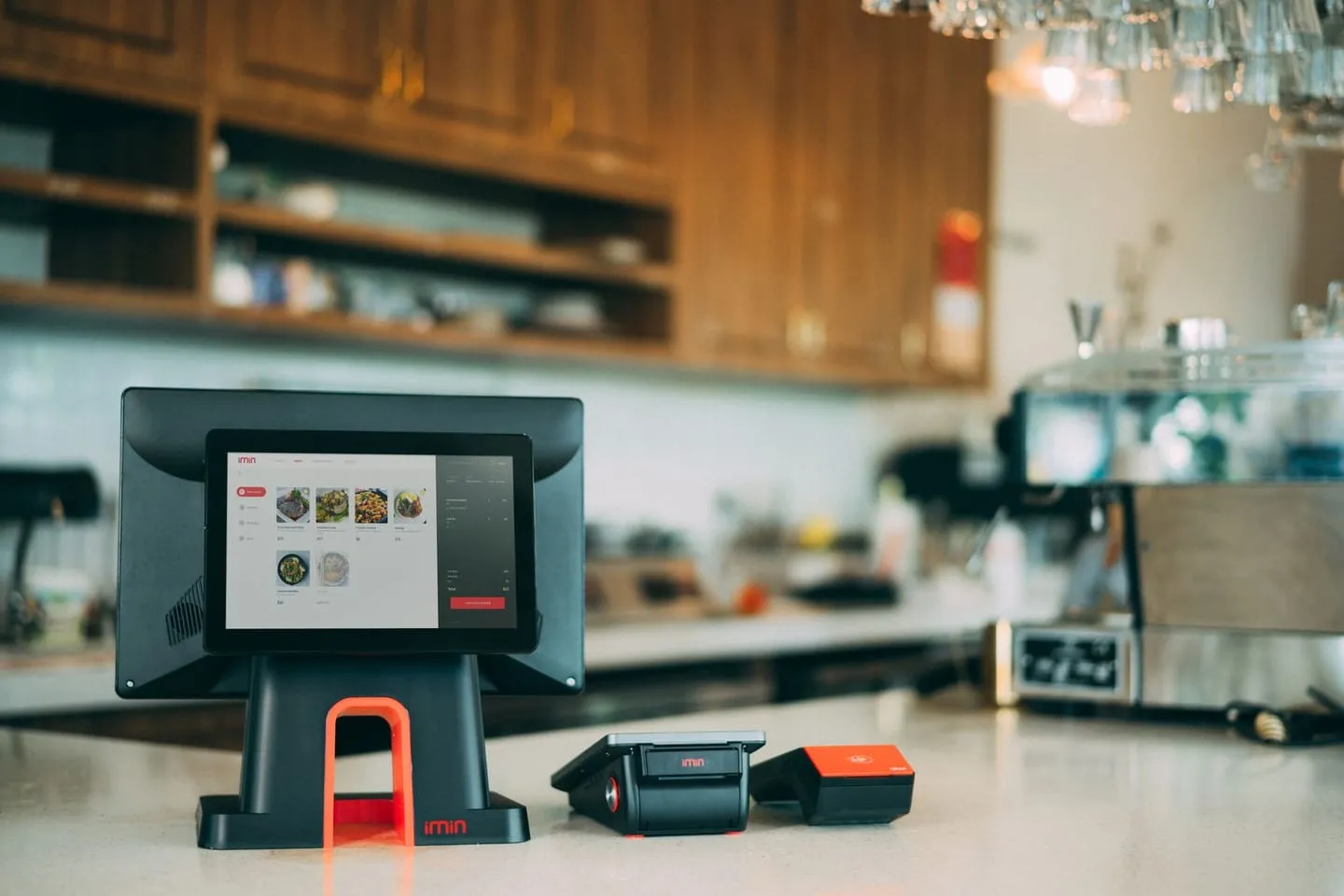
What the Pattern Tells You
Across all three pieces, one rule holds: contactless won wherever it removed a step, and stalled wherever it added one.
Tapping a card removes a step. A good digital menu removes steps for the restaurant and, when it’s built well, for the guest too. Building a full order on your phone at a table adds steps (reading, tapping, scrolling, customizing) that a thirty-second conversation would have handled faster and warmer.
That’s the test worth applying to any new restaurant technology. Not “is this modern?” but “does this take a step out of someone’s day?”
Where Each Piece of Contactless Dining Landed
| Contactless Element | Status in 2026 | Why |
|---|---|---|
| Tap-to-pay and mobile wallets | Fully mainstream | Removes a step for guest and staff; needs nothing new |
| QR code menus | Widely used; guest opinion mixed | Big operator savings; guest experience depends on build quality |
| Full contactless ordering (full service) | Contested | Removes the server’s hospitality role; often adds steps |
| Contactless ordering (counters, venues) | Working well | Fits places where speed really is the product |
| Contactless delivery handoff | Standard | Solved a real problem and costs nothing to keep |
Frequently Asked Questions
What is contactless dining? Contactless dining refers to practices that let guests view a menu, order, or pay without handling shared items or cash, usually through QR codes, mobile wallets, and tap-to-pay terminals. It spread widely in the U.S. during the pandemic and partly stuck.
Did contactless dining disappear after the pandemic? Only partly. Contactless payment became the default, and QR code menus stayed widely used. Full contactless ordering at sit-down restaurants never became standard.
How much of restaurant payment is still cash? Around 16%, according to Federal Reserve consumer payment research, down from about 31% in 2017.
Are QR code menus more hygienic? Most guests think so; a 2022 Technomic survey found 67% agreed QR menus are more sanitary than paper. But hygiene isn’t why restaurants kept them. Lower printing costs and instant updates are.
Do QR menus and QR payment systems need to be the same thing? No, and there’s a case for keeping them separate. A menu-only code asks nothing of the guest, while a code tied to ordering or payment adds account creation, card entry, and checkout steps some guests find off-putting at a table.
Sources: Federal Reserve Diary of Consumer Payment Choice, Technomic (via Restaurant Business). Images: Pexels (free to use). Data current as of October 2026.
Read it on your break. Your menu keeps working.
Thirty days of every Pro feature, menu import included, and nothing to pay.