
Local SEO for Restaurants: How Diners Actually Find You in 2026
There’s a version of restaurant marketing advice that treats Google as the whole game. Rank in the map pack, win at life.
Real discovery is messier. People hear about a place from a coworker, see a clip of a dish, walk past a patio that’s full on a Thursday, get a recommendation from an AI assistant. The channels are scattered and most of them aren’t search at all.
But almost all of them end the same way, and that’s where local SEO actually earns its keep.
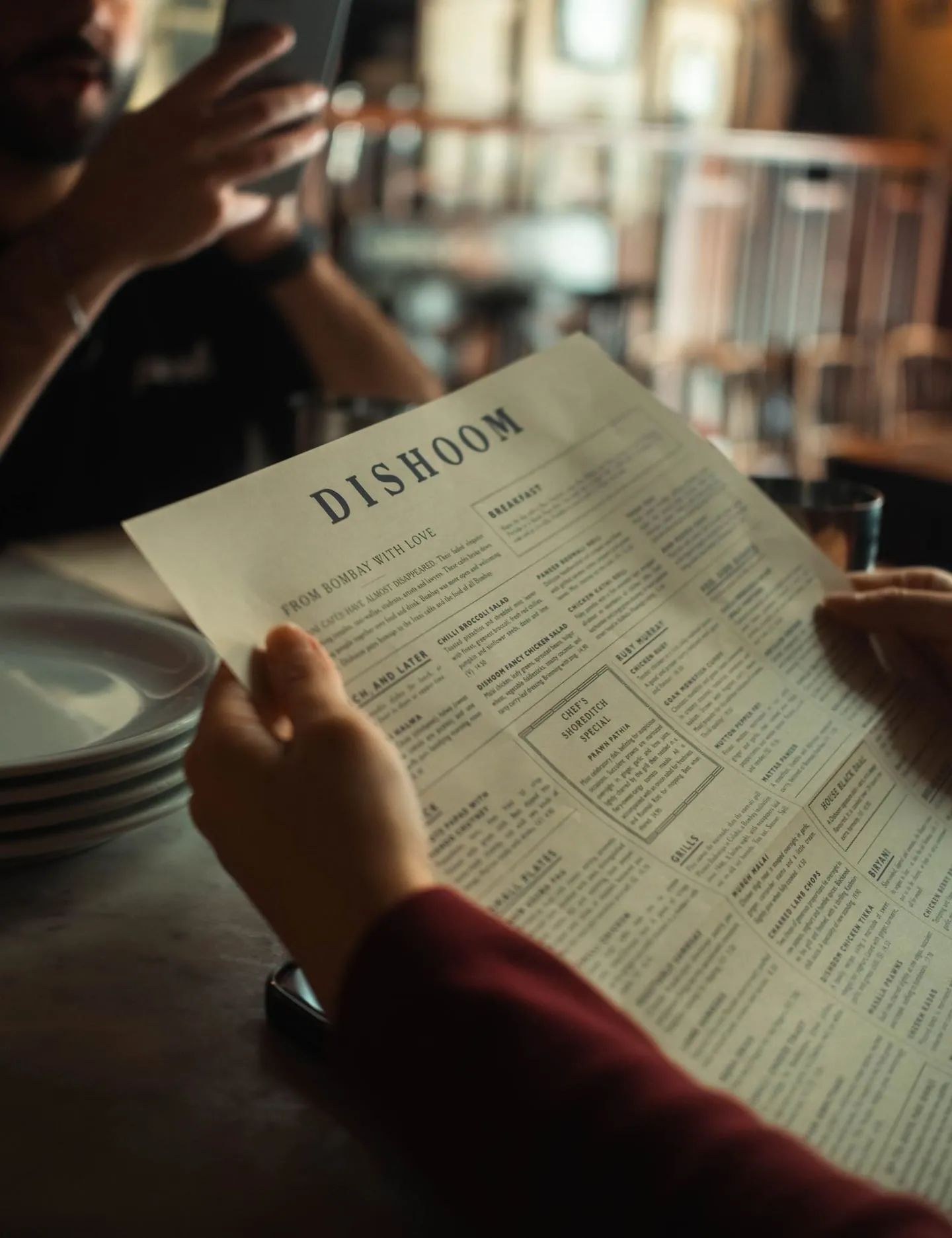
Discovery and Decision Are Different Events
Here’s the idea that reorganizes everything else: the thing that makes someone curious about your restaurant is rarely the thing that gets them in the door.
A friend’s recommendation, a video, a sign you drove past: each creates a candidate. Then, almost every time, the person picks up a phone and checks. The check looks the same regardless of what sparked the interest:
- Look the place up on Google or a map app
- Glance at the rating and a few recent reviews
- Open the menu and check the prices
- Decide
That verification step is where restaurants get eliminated, quietly. A guest who loved a video of your food and then found no readable menu didn’t become a customer. They ate somewhere else and never told you why.
So the useful question isn’t “which channel should I be on?” It’s “what happens when someone checks?”
The Check Is Increasingly Done by AI
The verification step itself is changing. In Pew Research Center’s analysis of real browsing data from March 2025, 18% of Google searches produced an AI-generated summary at the top of the results (Pew Research Center), and people clicked through to ordinary results noticeably less often when one appeared.
For a restaurant, that means the answer to “is this place good for a vegetarian, and what does it cost?” is more and more often assembled by a machine from your listing, your website, your menu, and your reviews, before a human ever visits your page. If those sources disagree, or your menu is an image nobody can read, the summary gets thin or wrong. We cover the mechanics in how AI assistants decide which restaurant to recommend.
Consistency Is the Unglamorous Core of Local SEO
Because the check pulls from several places at once, the single most valuable local SEO habit is boring: keep one set of facts and publish it everywhere the same way.
- Same name, address, and phone number on your website, your Google listing, your social profiles, and any directory you appear in
- Same hours everywhere, including holidays and the week you close for vacation
- Same menu everywhere, at the same prices
The last one is where most restaurants break. The website has the spring menu, the Google listing has a PDF from last year, the Instagram bio links to a third version, and a guest’s photo of the paper menu fills the gaps. Each source is a little wrong in a different way, and both people and machines lose trust in all of them.
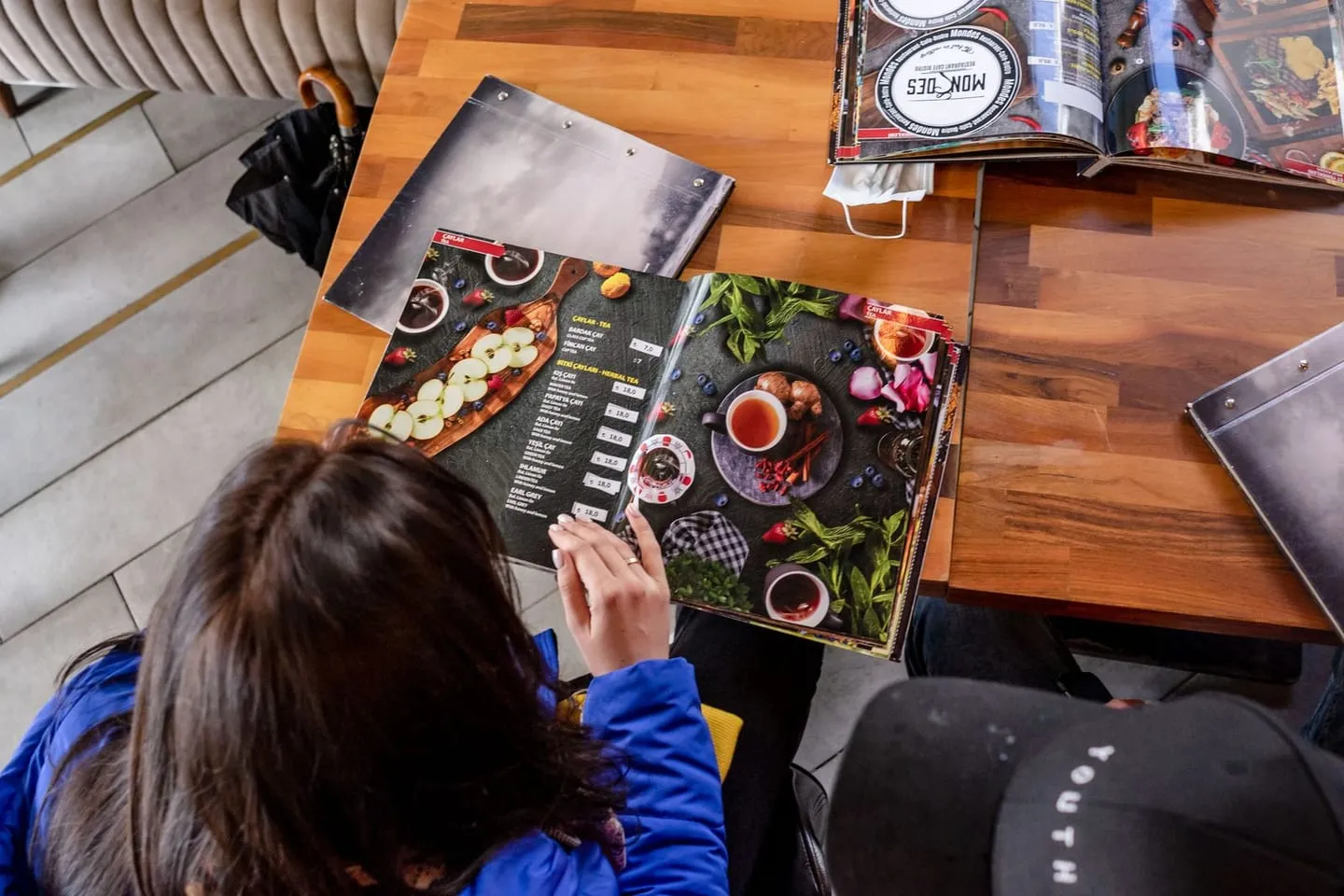
Fix the Menu Problem With One Link
The fix is to stop maintaining several menus and start publishing one, from one address, everywhere.
That’s the practical case for MenuOnGo in a local SEO plan. Your menu lives at one permanent link, the same one your table QR code opens, so you can put it on your Google Business Profile, your website, your Instagram bio, and a text to a food writer, and every one of them shows today’s menu at today’s prices. Change a price once and it’s right everywhere.
And on Pro, visitor analytics shows how often your menu was opened and where guests found it: the QR code on the table, Google Maps, or a link you shared. That answers the question this whole article circles. Instead of guessing which channel works for your restaurant, you can see whether that Saturday post or the new Google photos actually sent people to your menu. You can try it free for 30 days with no card.
What This Means Practically
- Make word of mouth easier. It’s still the oldest and most trusted channel. A memorable dish and a staff member who remembers a name feed it more than any ad.
- Get the verification step right. Listing, hours, photos, reviews, and a menu anyone can read on a phone in four seconds.
- Publish one set of facts everywhere, and audit it twice a year.
- Pick social channels based on who actually comes in, not on which platform gets the most press. A neighborhood spot with 55-plus regulars doesn’t need to chase short-form video.
- Don’t neglect the physical. Your window, your signage, and a full patio are a marketing channel with no algorithm.
- Measure your own funnel instead of trusting national surveys about other people’s restaurants.
A Word About Discovery Statistics
You’ll see confident percentages for how many diners find restaurants through each channel. Look at who published them before you build a plan on them. Many come from companies that sell restaurant software or delivery services, measured with methods that happen to flatter their own channel. The ranking that holds up across most honest research is unglamorous: personal recommendation first, physical presence and general search close behind, individual social platforms fragmented below that, and big differences by age and neighborhood.
Your own data beats all of it.
Discovery Channels and What They Require
| Channel | Strongest With | What the Check Needs From You |
|---|---|---|
| Word of mouth | Everyone | A readable menu and accurate hours when they look you up |
| Walking or driving past | Neighborhood and suburban diners | Signage, a visible menu, current hours online |
| Google Search and Maps | All ages | Complete listing, reviews, menu link with real text |
| Social video and photos | Under 45 | A menu that matches what they saw, ideally with video |
| AI assistants and AI search | Younger and tech-forward diners | Consistent facts and readable menu content |
| Delivery apps | Off-premise-first diners | Accurate menu and prices that match your own |
Frequently Asked Questions
What’s the most common way people discover new restaurants? Personal recommendation remains the most trusted path in most honest research, followed by walking or driving past and general search. Exact percentages vary widely by survey and by who ran it, so treat any single figure as directional.
Do restaurants still need Google if word of mouth matters most? Yes, because they work together. A recommendation creates interest, but most people then check Google or a map app for reviews, hours, and the menu before going. Losing that check wastes the recommendation.
What is NAP consistency, and does it matter for restaurants? NAP stands for name, address, and phone number. Keeping them identical across your website, Google listing, and other profiles helps search engines and AI tools trust your information. For restaurants, hours and the menu need the same consistency.
How do AI search summaries affect restaurant discovery? They move part of the decision into the answer itself. Pew Research Center found 18% of Google searches in its March 2025 sample produced an AI summary, and people clicked ordinary results less when one appeared, so accurate listings and readable menus matter more.
How can I tell which marketing channels work for my restaurant? Measure your own traffic rather than relying on national surveys. Track where guests find your menu (table QR code, Google Maps, or shared links) and watch how it moves after a post, a press mention, or a change to your listing.
Sources: Pew Research Center (AI summaries and search behavior, 2025). Images: Pexels (free to use). Data current as of October 2026.
Read it on your break. Your menu keeps working.
Thirty days of every Pro feature, menu import included, and nothing to pay.