
Why Printed Menus Are Costing Restaurants More Than They Realize
Ask an operator what their menus cost and you’ll get a number from the last print invoice. A few hundred dollars, twice a year. Rounding error on a P&L that’s fighting food costs and payroll.
That number is real, and it’s the least interesting part of the answer. The expensive part of a printed menu isn’t the printing. It’s everything you can’t do while you wait for the next print run.

Start With the Part You Can See
Printing costs have been climbing for years. The Bureau of Labor Statistics’ Producer Price Index for commercial printing has kept rising, sitting around 249 in early 2026 against a 1982 base of 100. Paper itself was forecast to rise another 3.4% in 2026, according to IBISWorld, driven by mill closures and energy costs.
So the invoice goes up. Most operators have absorbed worse. The problem is that the invoice isn’t the cost. It’s the trigger for a much more expensive habit.
The Real Cost: You Stop Changing Your Menu
Here’s what happens in a restaurant with printed menus.
Your beef supplier raises prices in March. You know your burger margin just got worse. But you have 200 menus in a box you paid for in January, and reprinting means another invoice, another design round, another week. So you tell yourself you’ll fix it at the July reprint.
You just ate four months of compressed margin on your highest-volume item.
That’s the default behavior, in a year when the National Restaurant Association’s 2026 State of the Restaurant Industry report found more than 9 in 10 operators naming rising costs as their key stressor. Input costs move monthly. A menu you can change twice a year is structurally mismatched to that.
Printing doesn’t just cost money. It costs you the ability to respond.
The Costs Nobody Puts on a Spreadsheet
- Stale on arrival. By the time menus come back from the printer, something has usually changed: a price, a supplier, an ingredient.
- The 86’d item. A dish sells out at 7 p.m. and the printed menu keeps advertising it all night. Every table asks, every server apologizes.
- The sticker over the price. Everyone has seen it. It reads as neglect even when it’s thrift.
- Specials you never ran. The chef’s best October idea didn’t make the menu because six weeks of a dish wasn’t worth a print run.
- Staff time. Proofing, picking up, wiping down, and re-sleeving every night.
- Wear. Menus get spilled on, torn, and walked off with. Reprint cycles are rarely as long as planned.
The Honest Counterargument: Guests Like Paper
This is where a lot of digital-menu pitches lose credibility, so let’s be straight.
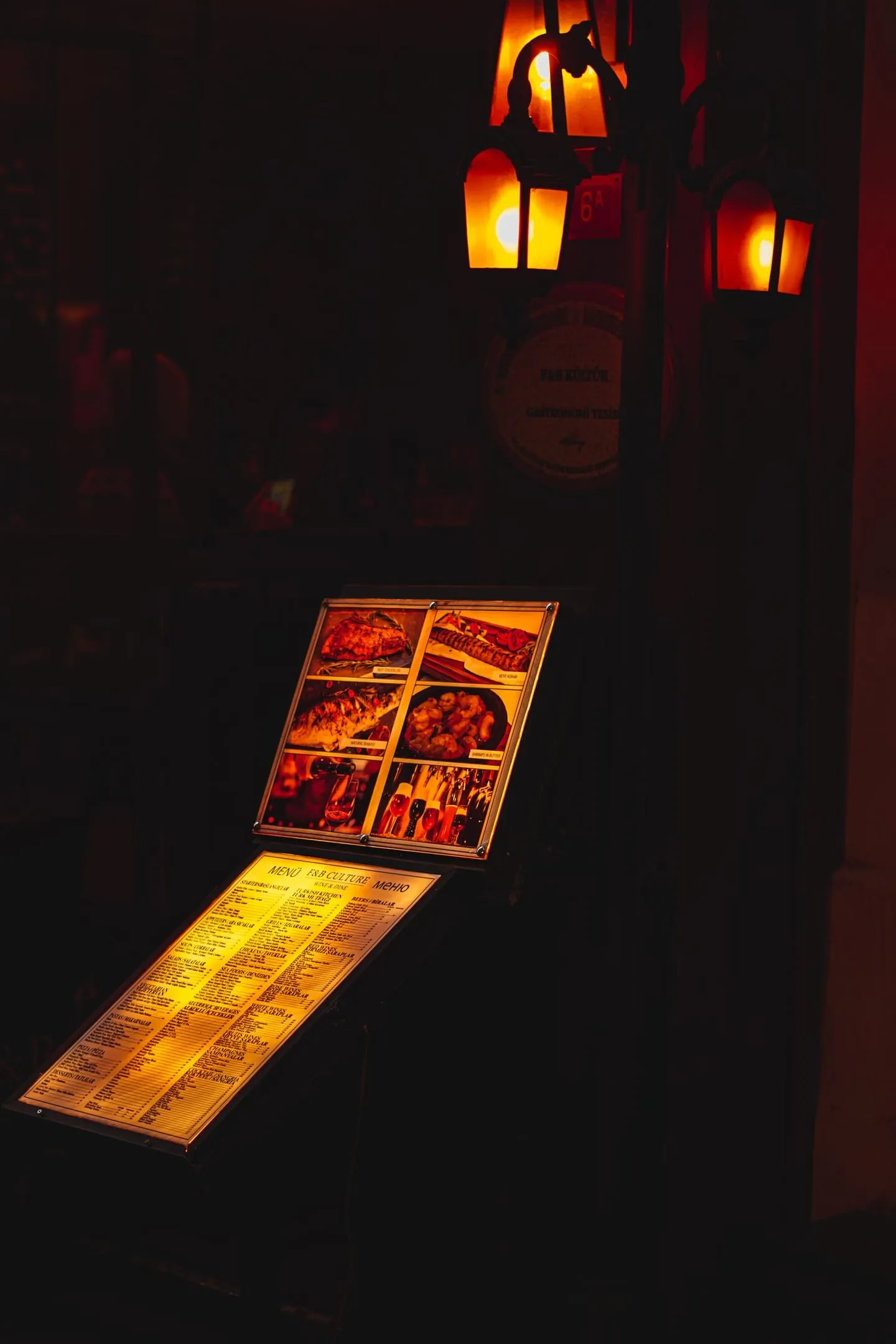
A Technomic consumer survey from May 2022, reported by Restaurant Business, found 88% of diners said they’d rather get a paper menu than a QR code at a sit-down restaurant, and 55% said QR menus are hard to read and browse. The survey is a few years old, but nothing since suggests the preference has flipped.
And there are places where print is genuinely right: fine dining, where the menu is part of the tactile experience; wine lists people like to hold and pass around; neighborhood spots whose regulars would find a code on the table faintly insulting.
So the useful question isn’t print or digital. It’s which one is the master, and which one is the output.
Digital First, Print When You Need It
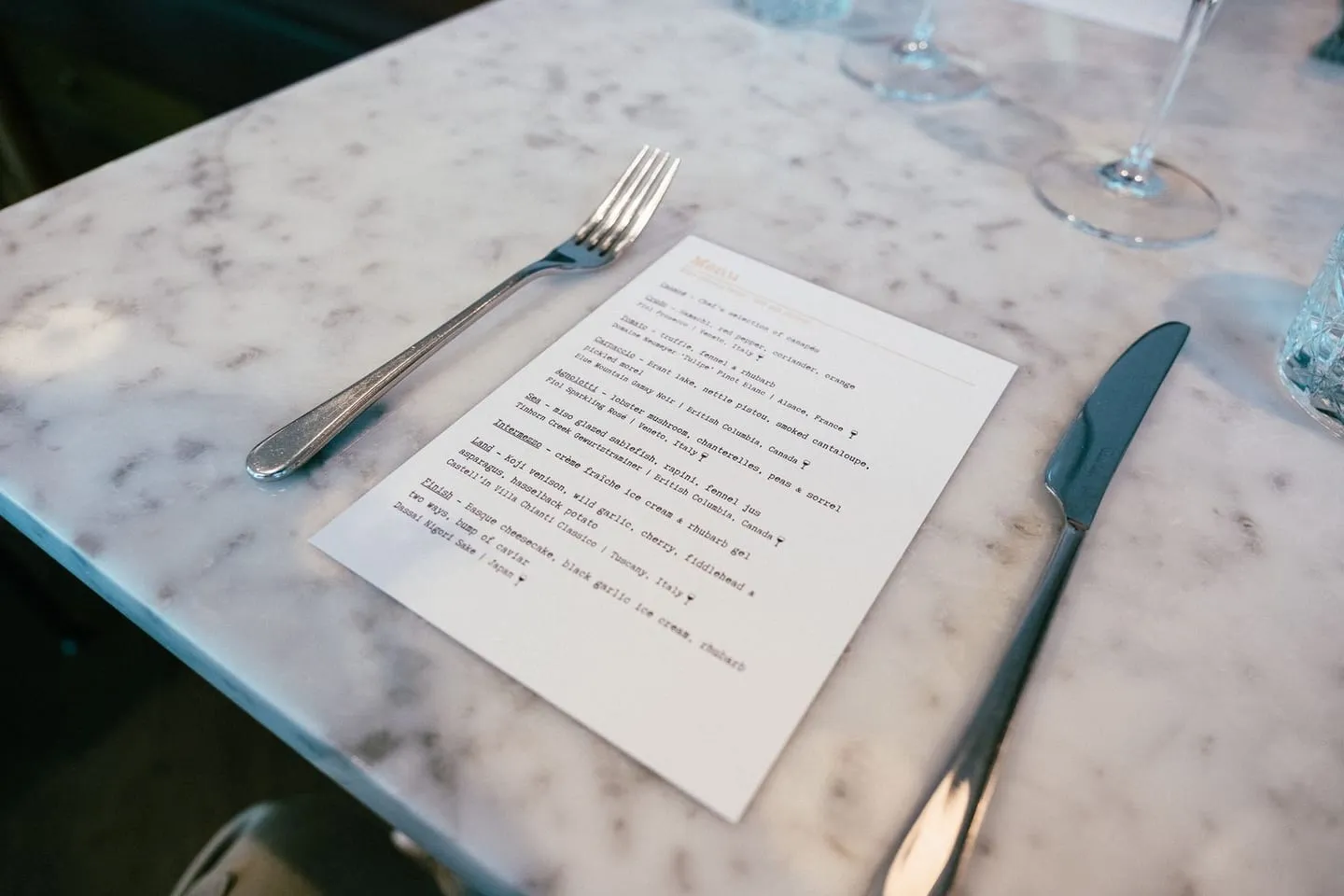
Treat your digital menu as the single source of truth: the version you edit, the one that’s always current, the one linked on your Google listing so people checking you out see today’s prices. Then print from it whenever you want paper on the table.
That’s the practical case for MenuOnGo. You change a price once and it’s right on the phone menu, the host-stand tablet, and your Google listing, and the QR code on the table never changes, so nothing gets reprinted just to fix a number. On Pro, the same live menu also produces print-ready files in the sizes you need (landscape, portrait, letter, legal and more) for your printer whenever you want paper. MenuOnGo isn’t a print shop; it hands you a correct file. The difference is that the paper in a guest’s hands now comes from the menu you updated this morning.
The economics change completely. A price change stops being a reprint decision and becomes a two-minute one. Specials become worth running. And the couple who’d clearly rather not scan anything still gets a menu they can hold.
Running the Numbers on Your Own Operation
Don’t just add up print invoices. Ask:
- How many months did your last price increase sit unimplemented because a reprint wasn’t due? Multiply the margin gap by the covers you sold.
- How many specials didn’t happen because they weren’t worth a run?
- How often is the menu on your table wrong about a price, an ingredient, or an item you no longer serve?
- What’s on your Google listing right now? If it’s nothing, or someone else’s photo, that’s a cost too.
Most operators find the printing invoice is the smallest number on that list by a wide margin.
What a Printed Menu Actually Costs
| Cost | Visible on an Invoice? | Typical Size |
|---|---|---|
| Printing and paper | Yes | Hundreds per run, rising with paper prices |
| Delayed price increases | No | Often the largest single cost |
| Specials never run | No | Lost revenue and differentiation |
| 86’d items still advertised | No | Guest disappointment, server time |
| Staff proofing, handling, cleaning | No | Recurring labor every shift |
| Replacing damaged menus | Partly | Shortens the reprint cycle |
| Nothing current on Google | No | Lost guests you never see |
Frequently Asked Questions
How much do printed restaurant menus actually cost? The direct printing cost varies by size, material, and quantity, but it’s usually the smallest part. The larger costs are indirect: price increases delayed until the next reprint, specials that never ran, and menus that are out of date the day they arrive.
Are printing costs going up? Yes. Bureau of Labor Statistics producer price data shows commercial printing prices on a long climb, and paper prices were forecast to rise about 3.4% in 2026 because of reduced mill capacity and energy costs.
Should restaurants get rid of printed menus entirely? Usually not. A 2022 Technomic survey found 88% of diners preferred a paper menu to a QR code at sit-down restaurants. The stronger approach is keeping paper while making a digital menu the master version the paper is printed from.
What’s the biggest hidden cost of a printed menu? Delayed price changes. When updating a price requires a reprint, operators postpone it and absorb compressed margin on high-volume items for months, often far more than the printing cost.
Can a restaurant use a digital menu and still hand guests paper? Yes, and it’s usually the best of both. If the digital menu is the source of truth and print files are generated from it, the paper version is always current and guests who prefer paper still get it.
Sources: U.S. Bureau of Labor Statistics (via FRED, Federal Reserve Bank of St. Louis), IBISWorld, National Restaurant Association, Technomic (via Restaurant Business). Images: Pexels (free to use). Data current as of October 2026.
Read it on your break. Your menu keeps working.
Thirty days of every Pro feature, menu import included, and nothing to pay.