
How Restaurants Are Fighting Rising Food Costs Without Raising Prices Too Much
Every operator knows the arithmetic. Costs go up, so prices go up, so guests come less often, so you need higher prices to cover the same rent. It’s a treadmill, and after four years most restaurants are tired of running on it.
The operators doing quietly better right now are working the other side of the equation. Not what you charge, but what it costs you to put the plate down.
And the biggest single opportunity there is food you already paid for and never sold.
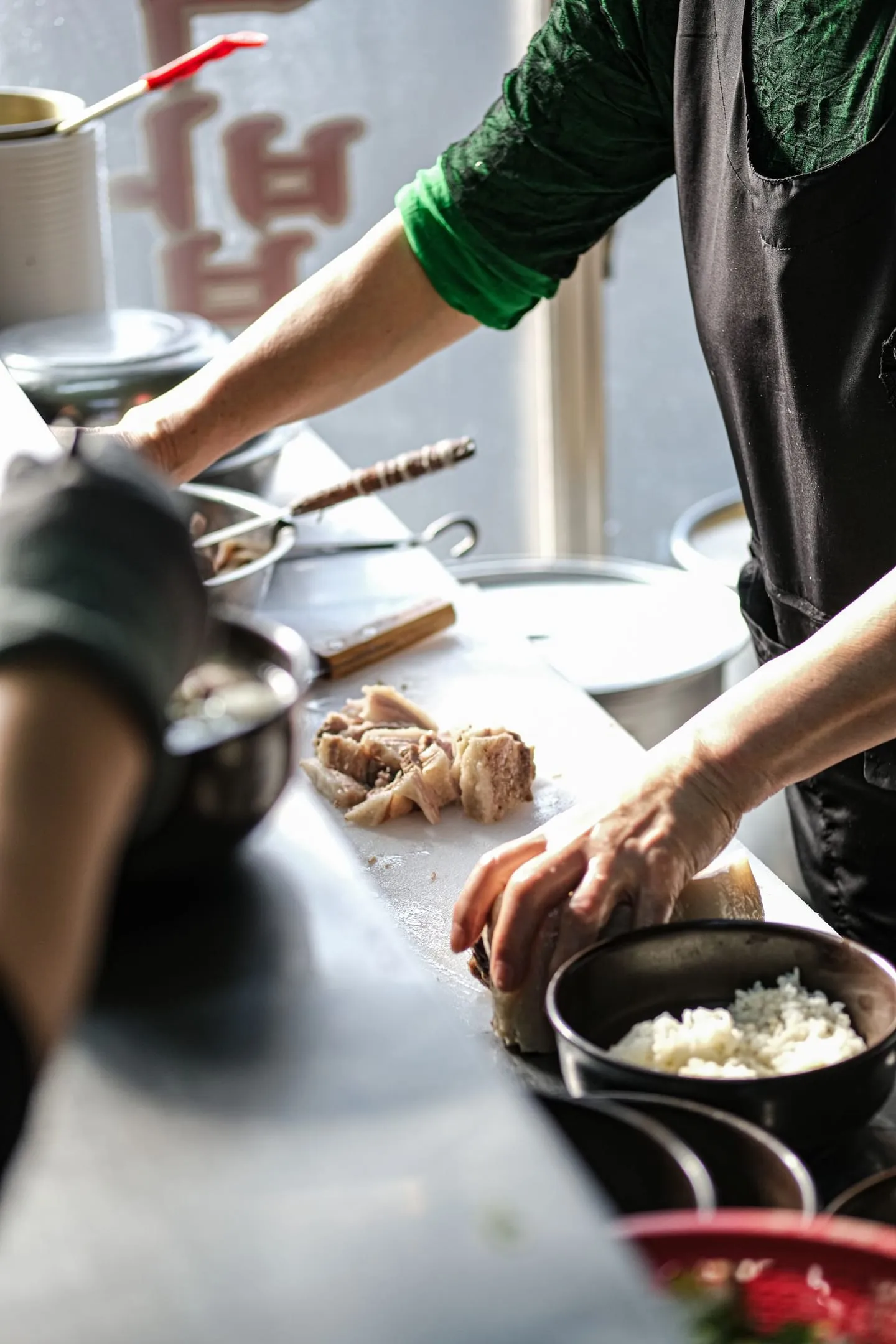
The Money Sitting in Your Trash Can
According to ReFED’s 2026 U.S. Food Waste Report, from the nonprofit that maintains the most comprehensive U.S. food waste data, total surplus food in 2024 came to 70 million tons, about 29% of the entire U.S. food supply. Its total value was $380 billion, and surplus inside the food industry itself, excluding what guests leave on plates, was worth $122 billion.
Nearly a third of the food in this country never gets eaten. Restaurants are a meaningful slice of that, and every pound was bought at 2026 prices.
There’s good news in the same report. 2024 saw a 2.2% decline in total surplus food, the first meaningful year-over-year drop since the pandemic. And it isn’t just goodwill: foodservice signatories to the U.S. Food Waste Pact cut 4,000 tons of waste and saved $15.9 million in food costs doing it.
That’s the whole argument in one line. Waste reduction isn’t a sustainability project. It’s a food cost line.
Where the Leaks Actually Are
Roughly in order of how much they typically cost:
- Over-prep. Prepping for the Friday you hoped for instead of the one you’ll get. The most expensive habit in most kitchens, and the hardest to see.
- Order errors. Research from RMIT University found order mistakes are the single biggest driver of food waste in quick-service restaurants, ahead of spoilage and portioning. A remade plate doubles the food cost of one sale.
- Menu sprawl. Every dish that uses an ingredient nothing else uses is a spoilage risk with a timer on it.
- Portion drift. Nobody weighs anything after month three. A generous hand on an expensive protein is a slow, invisible leak.
- Plate waste. Food guests didn’t want. Usually a portion-size problem, not a cooking problem.
The Menu Lever Most Operators Under-Use
Cross-utilization, building a menu where ingredients appear in several dishes, is the strongest structural defense against food cost inflation, and it costs nothing but discipline. If the braising liquid becomes a soup base, the same herb shows up in three dishes, and protein trim becomes a special, your yield on every purchase goes up.
The counterintuitive part: a shorter menu is usually a cheaper menu. Fewer distinct ingredients means fewer things sitting in the walk-in waiting for the one dish that uses them. It also means faster prep, simpler training, and more consistent plates on a busy Saturday.
Most operators resist because a long menu feels like it serves more people. In practice it mostly serves your inventory costs.
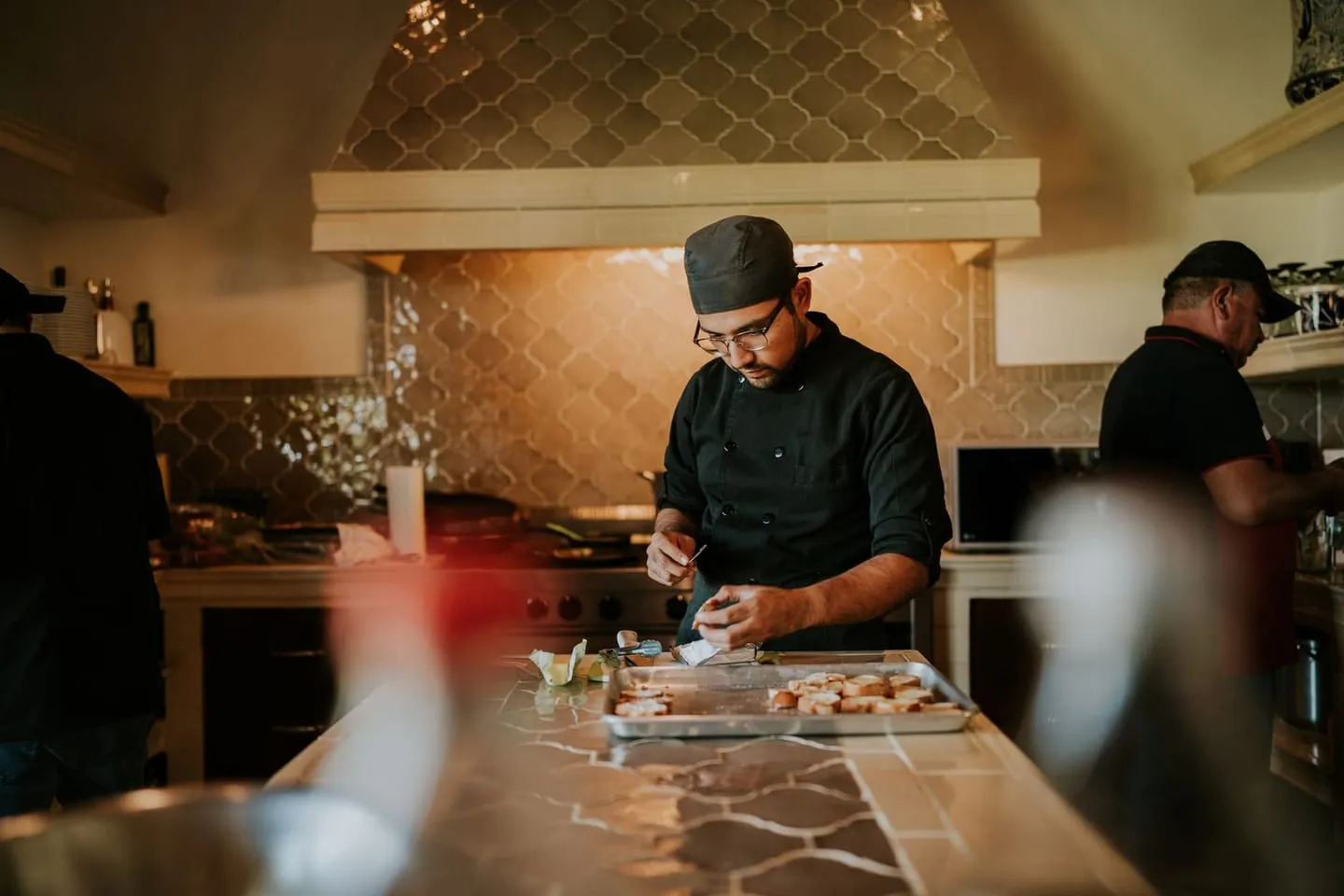
Customizable Portions: Waste Down, Traffic Up
This is one of the most interesting 2026 findings, and few operators are acting on it.
Research from ReFED and Datassential found that nearly 60% of Americans say they’re more likely to visit restaurants offering customizable portions, and that rises to roughly 75% among GLP-1 users, a growing group that eats meaningfully less per visit.
That does three things at once:
- Less food comes back on the plate, so food cost per cover drops
- A guest who wants to spend less can, without skipping the visit
- You capture a segment that a fixed-portion menu turns away
Half portions, lunch sizes, and small plates have been treated as a nuisance for the line. The demand data says they’re a traffic driver.
Let Your Menu Follow Your Inventory
Most restaurants set a menu and then buy to serve it. The more resilient approach in a volatile year is closer to the opposite: keep the menu’s structure fixed but let the specifics move with what’s cheap and good this week.
That only works if changing the menu is trivial. A strong price on halibut Tuesday morning is only useful if halibut can be on the menu Tuesday afternoon. A dish that’s 86’d at 7 p.m. should be gone from the menu at 7 p.m., not explained table by table until close.
This is where a digital menu does real operational work, and it’s worth looking at MenuOnGo with that in mind. Price and menu changes are unlimited on every plan, including the free one, and they go live behind the same QR code the moment you save them, so you never reprint a thing. On Pro, a dish that runs out disappears with one tap and comes back with another. Either way, the change shows up on the table, on the host-stand tablet, and on the menu link in your Google listing at once, so a guest deciding from their couch sees the same reality your kitchen is living. A menu that moves as fast as your walk-in turns supplier volatility into the occasional opportunity.
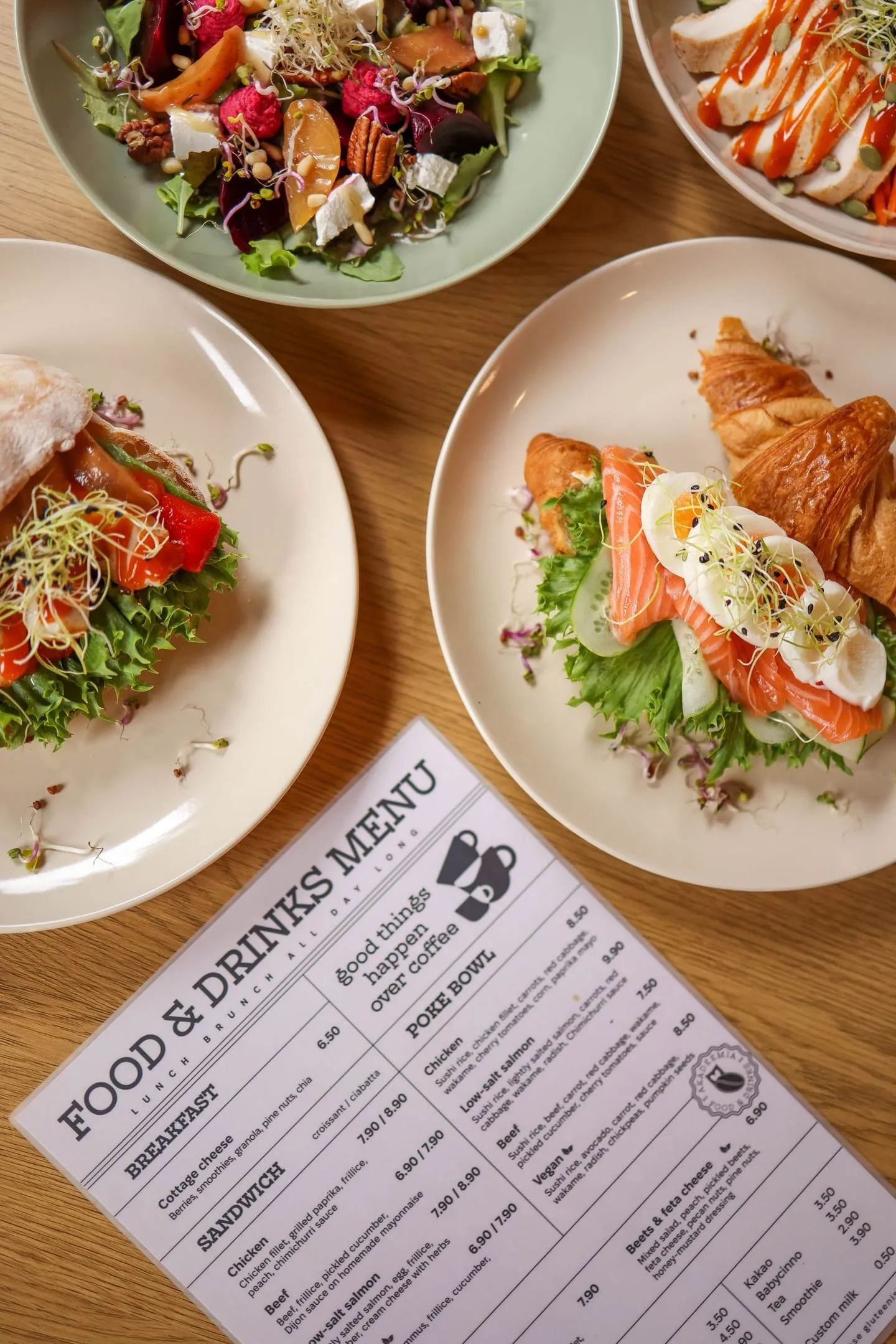
The Line You Shouldn’t Cross
Some cost-cutting is invisible to guests. Some very much isn’t.
Buying a cheaper version of your signature ingredient, thinning a sauce, or dropping the quality tier on your best-selling protein saves money on paper and costs more in the review section. Guests remember precisely how a dish used to taste.
The distinction worth holding onto: cut waste and inefficiency freely; cut quality almost never. Trimming what never reached the guest is free money. Trimming what does is borrowing against your reputation.
Same with shrinking portions silently. If a portion gets smaller, say so or price it as a smaller option. An unannounced shrink reads as sneaky in a way a clearly labeled half portion never does.
Where to Look First
| Cost Lever | Effort | Typical Impact | Guest Notices? |
|---|---|---|---|
| Cutting over-prep with better forecasting | Medium | High | No |
| Reducing order errors | Medium | High | Only positively |
| Cross-utilizing ingredients across dishes | Medium | High | No |
| Shortening the menu | Low | Medium to high | Rarely, if done well |
| Portion control and re-weighing | Low | Medium | No, if consistent |
| Offering customizable or half portions | Low | Medium, plus traffic gain | Yes, positively |
| Buying cheaper versions of signature items | Low | Short-term only | Yes, badly |
Frequently Asked Questions
How much food does the U.S. actually waste? Total surplus food in 2024 was about 70 million tons, roughly 29% of the U.S. food supply, with a total value of $380 billion, according to ReFED’s 2026 U.S. Food Waste Report. Surplus within the food industry itself, excluding guest plate waste, was worth about $122 billion.
Does reducing food waste actually save restaurants money? Yes. Foodservice signatories to the U.S. Food Waste Pact cut 4,000 tons of waste and saved $15.9 million in food costs, according to ReFED’s 2026 report.
What’s the biggest cause of food waste in restaurants? It varies by format. RMIT University research identified order mistakes as the largest driver in quick-service restaurants, ahead of spoilage and portioning. In full-service kitchens, over-prep is often the bigger culprit.
Do smaller or customizable portions hurt restaurant revenue? The evidence points the other way. ReFED and Datassential found nearly 60% of Americans are more likely to visit restaurants offering customizable portions, rising to about 75% among GLP-1 users.
Is it better to shorten a menu or raise prices? They solve different problems, but shortening a menu is usually the lower-risk move. Fewer distinct ingredients reduces spoilage, speeds prep, and improves consistency, none of which a guest experiences as a loss, whereas a price increase is visible immediately.
Sources: ReFED (2026 U.S. Food Waste Report), ReFED and Datassential, RMIT University. Images: Pexels (free to use). Data current as of October 2026.
Read it on your break. Your menu keeps working.
Thirty days of every Pro feature, menu import included, and nothing to pay.